
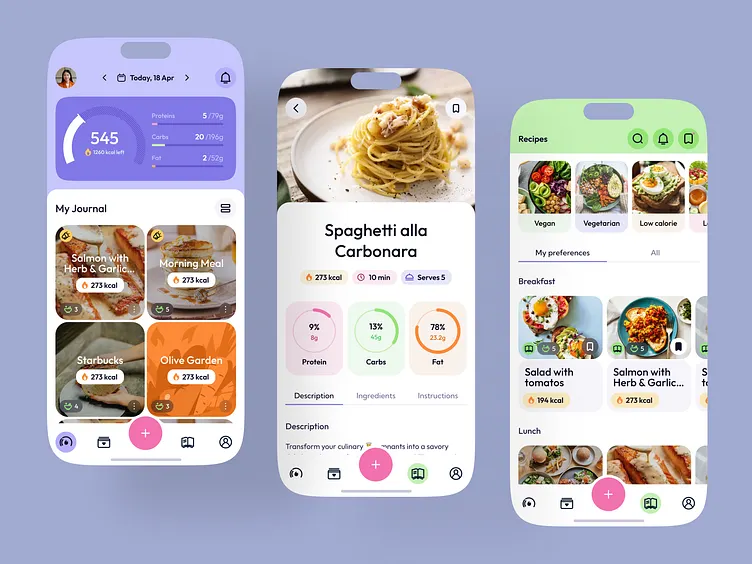
Many people start a weight loss journey by changing what they eat. Fewer people focus on how aware they are while eating.
Meal tracking bridges that gap.
It’s not about perfection or strict control — it’s about visibility. When people see their eating habits clearly, they naturally make better decisions. That’s why meal tracking consistently shows up as one of the most effective tools for sustainable weight loss.
Key Takeaways
- Tracking meals improves weight loss by increasing awareness, not by enforcing restrictions.
- People who track meals tend to make more intentional food choices over time.
- Modern meal tracking goes beyond calories, focusing on patterns, timing, and habits.
- Simple, low-effort tracking methods are more effective than detailed manual logs.
Awareness Changes Behavior
One of the biggest challenges in weight loss is unintentional eating. Snacks grabbed between meetings, oversized portions, late-night bites — these moments often go unnoticed.
Meal tracking creates a pause between action and habit.
By recording meals, people become more conscious of:
- Portion sizes
- Eating frequency
- Emotional or situational triggers
- Timing of meals
This awareness alone often leads to improved choices — without strict rules.
Tracking Reveals Patterns, Not Just Meals
Weight loss doesn’t happen because of one meal. It happens because of repeated patterns.
Tracking meals over time helps people identify:
- Skipped meals that lead to overeating later
- Late-night eating routines
- Emotional eating during stress
- Inconsistent meal timing
Once patterns become visible, they can be adjusted gradually. This is far more effective than reacting to isolated “bad days.”
Meal Tracking Reduces Guesswork
Without tracking, people rely on memory — which is often unreliable. Studies consistently show that individuals tend to underestimate how much they eat.
Tracking replaces guesswork with clarity.
Whether through written logs, photos, or simple check-ins, tracking helps people understand:
- What they actually eat
- How often they eat
- How food choices affect energy and satiety
That clarity supports more realistic and achievable weight loss goals.
Modern Meal Tracking Is Simpler Than Ever
Meal tracking no longer means logging every calorie manually.
Today’s tools offer flexible approaches:
- Visual food tracking through photos
- Mindful eating journals focused on context and feelings
- Habit-based tracking instead of numeric goals
Apps like Simple Life focus on awareness and patterns rather than calorie obsession, while tools such as Ate encourage users to reflect on eating experiences. Traditional trackers like MyFitnessPal still work well for those who prefer data-driven insights.
The key is choosing a method that feels sustainable.
Tracking Supports Long-Term Weight Loss
The most successful weight loss strategies are the ones people can maintain.
Meal tracking works because it:
- Encourages accountability without judgment
- Helps people course-correct early
- Reinforces consistency over time
Instead of reacting after weight gain occurs, tracking allows people to notice small shifts before they become setbacks.
What Matters More Than How You Track
The method matters less than the habit itself.
Effective meal tracking should be:
- Quick and low-effort
- Non-judgmental
- Focused on patterns, not perfection
People who track consistently — even loosely — tend to achieve better results than those who track perfectly for a short time and quit.
Final Thoughts
Meal tracking improves weight loss because it shines a light on everyday habits that usually stay hidden. When people become aware of how, when, and why they eat, change becomes natural rather than forced.
Modern tracking tools have removed much of the friction that once made food logging difficult. Whether through photos, reflections, or simple habit check-ins, tracking meals remains one of the most practical and effective ways to support long-term weight loss.
Awareness, not restriction, is what makes the difference.

Frequently Asked Questions
Do I need to track every meal to lose weight?
No. Even partial or occasional tracking can improve awareness and support better choices.
Is calorie counting required for meal tracking to work?
Not necessarily. Many people succeed using visual or habit-based tracking instead of calorie logs.
Can meal tracking lead to unhealthy obsession with food?
When done mindfully and flexibly, tracking supports awareness rather than control. Choosing low-pressure methods helps avoid fixation.
How long should I track meals?
Many people track for several weeks to understand patterns, then adjust as habits improve.
Are meal tracking apps accurate?
They’re most effective for identifying trends and habits, not for perfect precision.
Who benefits most from meal tracking?
Anyone seeking sustainable weight loss, better eating awareness, or improved consistency — especially those with busy lifestyles.