
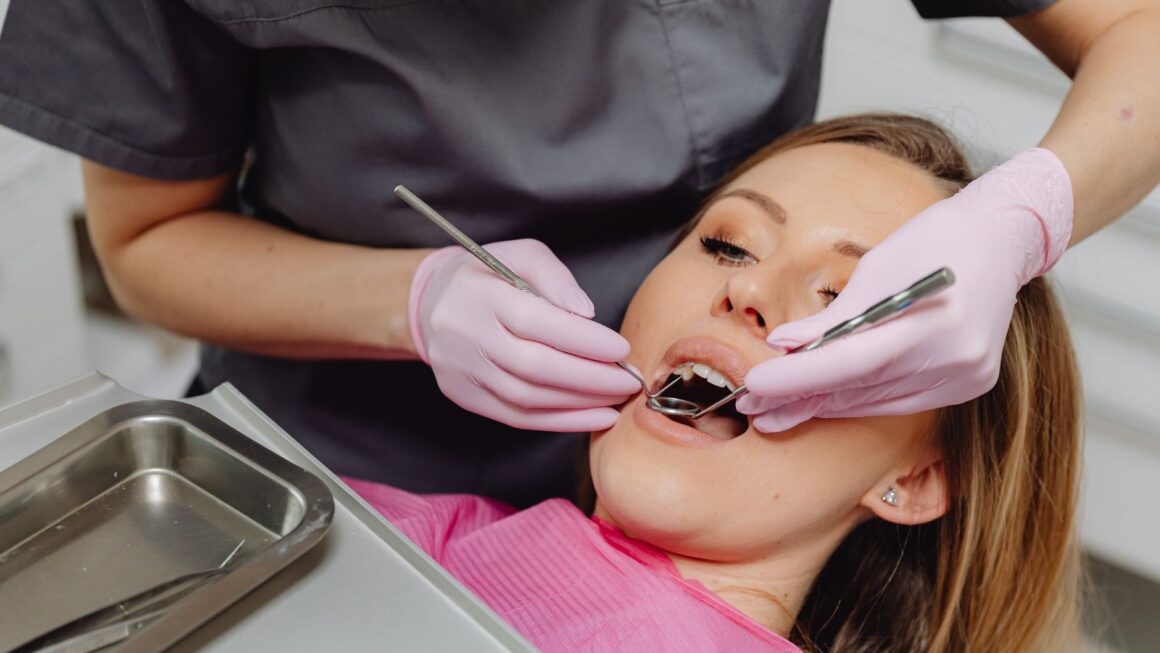
You can still get dental implants after significant bone loss — many modern techniques make implant treatment possible where it once wasn’t. Working with an experienced dentist in Odessa, FL opens the door to specialized approaches like bone grafting, sinus lifts, All‑on‑4/6, and zygomatic implants that expand your options and often restore function and appearance even with reduced jawbone.
You’ll want to know which solutions match your situation, what to expect during planning and healing, and how specialists evaluate your candidacy. This article walks through the challenges you may face, the proven techniques clinicians use today, and practical next steps so you can make an informed decision about restoring your smile.
Challenges of Dental Implants with Significant Bone Loss
Severe jawbone loss creates specific clinical and logistical hurdles for implant treatment. You will likely face issues with implant stability, altered anatomy near sinuses or nerves, and the need for additional surgical procedures before implants can be placed.
Understanding Bone Loss in the Jaw
Jawbone loss means the bone that normally supports teeth shrinks in height, width, or density. After tooth loss, the alveolar ridge resorbs because it no longer receives stimulation from chewing; this can begin within months and continue over years.
You can measure bone loss with 3D imaging (CBCT) and intraoral scans to see volume and density precisely. Those measurements guide whether you need bone grafting, sinus lift, or alternative implant designs such as short, narrow, or zygomatic implants.
Bone quality matters as much as quantity. Low-density (soft) bone reduces primary stability at placement and raises the chance of implant failure without augmentation or staged protocols.
How Bone Loss Affects Dental Implant Success
Insufficient bone volume compromises initial implant stability, which is critical for osseointegration during the first 2–4 months. Without adequate primary stability, micromovement can prevent bone from integrating with the implant surface.
Bone loss also alters prosthetic planning. You may need angled abutments, longer cantilevers, or cross-arch support to achieve function and esthetics. These changes can increase mechanical stress on implants and restorations, raising maintenance needs.
Proximity to anatomical structures—maxillary sinus in the upper jaw or inferior alveolar nerve in the lower jaw—may limit implant length and location. That often requires sinus augmentation, nerve repositioning (rare), or use of specialized implants to avoid complications.
Common Causes of Jawbone Deterioration
Periodontal (gum) disease is a leading cause: chronic infection destroys the supporting bone around natural teeth. If untreated, periodontitis can cause both vertical and horizontal bone loss that remains after tooth extraction.
Tooth extraction without timely replacement accelerates resorption. The longer you delay implants or prostheses after extraction, the more ridge volume you typically lose—making later implant placement more complex.
Other causes include trauma, systemic conditions (osteoporosis, uncontrolled diabetes), long-term denture wear that compresses the ridge, and certain medications (e.g., long-term bisphosphonates in rare contexts). Smoking and poor nutrition further impair bone healing and increase implant failure risk.
Modern Solutions for Patients with Bone Loss
You can often restore jaw volume and support implants using targeted surgical techniques, grafting materials, or alternative implant anchorage. Each option has specific healing times, risks, and suitability depending on how much bone you’ve lost and where.
Bone Grafting Techniques
Bone grafting rebuilds lost jawbone to create a stable foundation for implants. Your dentist may use autografts (your own bone), allografts (donor bone), xenografts (animal-derived), or synthetic substitutes; each choice affects healing time and integration.
Grafting can be done as a guided bone regeneration (GBR) using membranes to direct bone growth, or as block grafts when large vertical or horizontal volume is needed. Expect several months of healing—typically 3–6 months for particulate grafts and longer for block grafts—before implants are placed. Complications include infection, graft failure, or partial resorption, but careful case selection and surgical technique reduce these risks.
You should discuss donor source, expected timeline, costs, and whether staged grafting (graft first, implant later) or simultaneous implant placement is appropriate for your clinical situation.
Sinus Lift Procedures
A sinus lift raises the floor of the maxillary sinus to gain vertical bone height in the upper back jaw. Your surgeon either performs a lateral window technique for larger augmentations or a transcrestal (crestal) approach for smaller lifts.
The procedure uses graft materials similar to those in other grafts and usually requires 4–9 months of healing before implant placement. If you already have some residual bone height, the surgeon may place implants at the same time as the lift; otherwise, they will stage the treatment. Risks include sinus membrane perforation, infection, and prolonged healing if you smoke or have chronic sinus disease.
Ask your provider about preoperative imaging (CBCT), antibiotic protocols, and measures to protect the sinus membrane during surgery to improve predictability.
Zygomatic Implants
Zygomatic implants anchor into the cheekbone (zygoma) when the upper jaw lacks sufficient bone for conventional implants. These longer implants bypass the maxilla and provide immediate support for fixed prostheses in severe atrophy cases.
Placement is more complex and requires an experienced oral surgeon or maxillofacial specialist and 3D imaging for precise planning. You may receive immediate loading (a provisional fixed bridge) in the same visit, reducing treatment time compared with extensive grafting. Potential complications include sinus issues, soft-tissue discomfort, and the need for meticulous prosthetic design to avoid biomechanical overload.
Discuss candidacy, surgical experience, expected function, and how follow-up care differs from standard implants before choosing this option.
Evaluating Your Candidacy and Next Steps
You’ll need imaging, a clinical exam, and a clear plan that matches your health, timeline, and budget. Expect specific measurements, staged treatments if needed, and referrals to specialists for advanced options.
Diagnostic Procedures for Bone Assessment
Your dentist will order a cone beam CT (CBCT) scan to measure bone height, width, and quality in millimeters. CBCT gives cross-sectional images that show how much existing bone can support an implant and whether nerves or sinuses limit placement.
Expect a periodontal and oral exam to check gum health and bite forces. X-rays and intraoral photos document tooth positions and remaining roots. Your clinician may take digital impressions or study models to plan implant angulation and prosthetic needs.
Lab work or medical clearance may be required if you have diabetes, osteoporosis, or take bisphosphonates. These tests help determine healing potential and infection risk. A detailed treatment plan will list measurements, recommended grafts, and timing.
Risks and Benefits of Advanced Implant Procedures
Advanced procedures—bone grafts, sinus lifts, zygomatic implants, and All-on-4—offer ways to restore function when standard implants aren’t possible. Benefits include improved stability, the ability to place fixed teeth, and often better aesthetics compared with removable dentures.
Risks include infection, graft failure, nerve injury, chronic sinus issues, and longer healing times. Bone grafts require additional surgery and months of healing; sinus lifts carry a small risk of membrane perforation. Zygomatic implants avoid grafting but involve more extensive surgery and recovery.
Your clinician will weigh success rates, recovery timeline, and cost. Ask for expected timelines, complication rates at the practice, and alternatives like removable prosthetics or short implants if you prefer less invasive options.
Working with Dental Specialists
You may see a team: a restorative dentist/planner, an oral surgeon or periodontist for surgery, and a prosthodontist for the final teeth. Each specialist focuses on specific steps—bone reconstruction, implant placement, and prosthesis design—so coordinated planning matters.
Confirm team experience with the exact procedures you need. Request before-and-after cases, complication management protocols, and whether they perform staged care in-house or refer out. Verify communication: the surgeon should provide surgical guides and the prosthodontist should control final tooth positions.
Discuss cost breakdowns, who handles follow-up care, and what contingency plans exist if grafts fail. Get the timeline in writing, including healing intervals and when you’ll receive temporary and final restorations.