
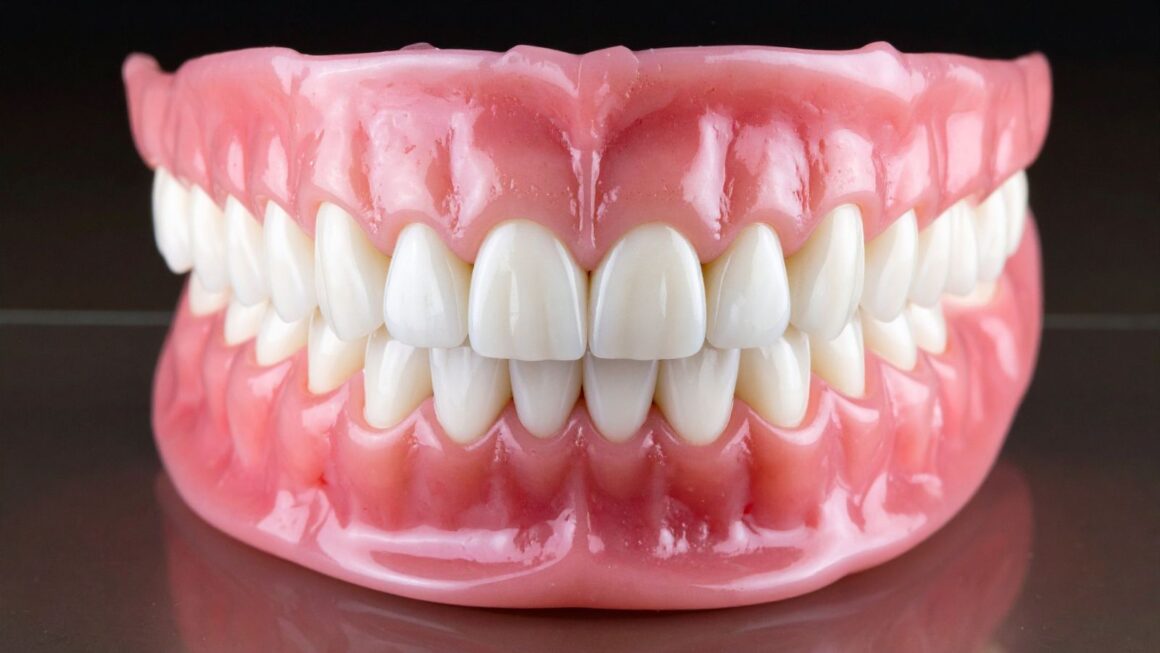
Losing teeth changes more than your smile — it changes how your jaw maintains bone. For those weighing dentures in Hollywood, FL, it’s important to understand that traditional dentures sit on your gums and do not stop the underlying bone from shrinking, but implant-supported options can provide the stimulation needed to slow or prevent bone loss. Knowing which option you choose matters for long-term jaw shape, denture fit, and oral health.
This article will walk you through why bone loss happens after tooth loss, how conventional dentures affect your jaw over time, and what modern treatments can do to preserve bone and keep prosthetics comfortable and stable. You’ll get clear, practical guidance so you can weigh short-term convenience against lasting oral health.
Understanding Bone Loss After Tooth Loss
You lose more than a tooth when an extraction or tooth loss occurs: the jawbone that once supported the root also begins to change. The processes below explain why bone shrinks, how your bite and facial support alter, and how quickly these changes can happen.
Causes of Jawbone Deterioration
Bone in the jaw depends on mechanical stimulation from tooth roots. When a tooth is removed, that stimulation stops and the body begins to resorb the unused bone tissue.
Infection and inflammation around a failing tooth accelerate resorption before extraction. Systemic factors—older age, smoking, uncontrolled diabetes, and long-term corticosteroid use—also increase the rate of bone loss.
Medications that affect bone metabolism (for example, bisphosphonates or some cancer therapies) can change how bone responds after tooth loss. Poor nutrition and vitamin D deficiency further impair bone maintenance.
How Missing Teeth Affect Oral Structure
Without roots, the alveolar ridge gradually narrows and shortens. That shrinkage reduces the bone available to support dentures or implants, which can make dentures loose and unstable.
Neighboring teeth can tilt or drift into the empty space, changing your bite and increasing wear on remaining teeth. Chewing efficiency drops, so you may favor one side and create uneven muscle and joint loading.
Facial appearance changes as the lower third of the face loses support: lips may collapse inward and wrinkles deepen. These changes vary by how many teeth are missing and how long they’ve been missing.
Timeline of Bone Loss Progression
Bone resorption begins within weeks after extraction. Significant volume loss often occurs during the first 3–6 months, with the fastest decline in the first 6 months.
After the initial rapid phase, bone loss continues at a slower but steady pace for years if no stimulation returns. The exact pace depends on local factors (infection, denture wear) and systemic health.
If you receive dental implants, you can preserve bone height and width by restoring root-like load to the bone. Conventional dentures do not provide the same direct stimulation and therefore do not prevent long-term resorption.
Do Dentures Prevent Bone Loss?
Dentures restore chewing and appearance but do not recreate the biological stimulation that natural tooth roots provide. You should expect improved function and aesthetics, but limited impact on the underlying jawbone.
How Traditional Dentures Interact With Bone
Traditional full and partial dentures rest on the gum tissues and the residual ridge of the jaw. They transfer chewing forces across soft tissue, not into the bone the way tooth roots or implants do.
Because the bone receives little direct load, it does not get the mechanical stimulation that signals the body to maintain bone mass.
Over time, chewing with dentures can compress soft tissue and change the shape of the ridge. That gradual compression and lack of stimulation often lead to progressive bone resorption, especially in the first few years after tooth loss.
Limitations of Dentures in Preserving Bone
Dentures cannot replace the root-level stimulation that prevents bone loss. They provide no direct anchorage in the jawbone, so the remodeling process that reduces bone volume continues unchecked.
You may notice loosening, decreased denture stability, and changes in facial height as bone shrinks.
Some improvements—like better fit, relining, and denture stabilization with adhesives—help comfort but do not stop resorption. Only options that transmit load into bone (dental implants or implant-retained overdentures) can significantly slow or prevent bone loss.
Misconceptions About Dentures and Bone Health
Many patients assume a well-fitted denture will maintain jawbone health. That belief is incorrect because fit addresses soft-tissue contact, not bone stimulation.
Another common misconception is that regular denture adjustments prevent bone loss. Adjustments improve comfort and fit but cannot halt the biological process of resorption.
You might hear that partial dentures preserve nearby bone. Partials can protect adjacent teeth and distribute forces but still do not replace root stimulation. If preserving jawbone is a priority, discuss implant-based solutions with your clinician.
Modern Solutions for Bone Preservation
You can choose options that actively maintain or restore jawbone volume instead of only covering the gums. The best approaches replace tooth roots, stimulate bone, or rebuild lost bone so your bite and facial support remain stable.
Implant-Supported Dentures
Implant-supported dentures attach to titanium implants surgically placed into your jawbone. Implants act like tooth roots and transmit chewing forces into bone, which helps preserve bone density and prevents the progressive resorption that occurs with traditional dentures.
You can get either fixed (screw-retained) or removable (locator- or bar-retained) implant dentures depending on budget, hygiene needs, and anatomy. Fixed options feel most like natural teeth; removable types cost less and make cleaning easier.
Expect a multi-step process: implant placement, a healing period for osseointegration (often 3–6 months), and final prosthesis delivery. Plan for CT imaging, possible temporary teeth, and maintenance visits. Not everyone qualifies—bone volume, medical history, and smoking status affect success.
Benefits of Dental Implants Compared to Dentures
Implants preserve bone by providing direct mechanical stimulation during chewing, which maintains bone remodeling and density. Traditional dentures rest on gums and do not transfer forces to bone, accelerating bone loss over time.
Functionally, implants give you greater chewing efficiency and more stable speech. Aesthetically, they help maintain facial height and lip support, reducing the sunken appearance that can follow long-term denture wear.
Longevity favors implants: individual implants can last decades with proper care, while dentures typically need relines or replacement every 5–10 years. Costs are higher up front for implants, but they often reduce future expenses related to bone loss, frequent remakes, and complex tissue reconstruction.
Bone Grafting and Regenerative Options
Bone grafting restores volume when your jaw lacks adequate bone for implants. Surgeons use autograft (your bone), allograft (donor bone), xenograft (animal-derived), or synthetic materials to rebuild ridge height and width. Each graft type has different healing times and integration profiles.
You may receive ridge augmentation, sinus lift (upper jaw), or guided bone regeneration with membrane barriers. Healing ranges from 3 to 9 months before implants can be placed, depending on graft type and site.
Alternative regenerative aids include growth factors (e.g., PRF/PRP) and biologics that can accelerate bone formation and improve graft success. Discuss risks, expected timelines, and additional costs with your clinician to plan treatment that matches your goals.
Long-Term Implications and Patient Guidance
You will learn the likely risks if bone loss continues, how to compare replacement options that preserve bone, and practical steps you can take now to protect your jawbone and denture fit.
Risks of Ongoing Bone Loss With Conventional Dentures
When you use conventional removable dentures, the underlying jawbone receives little to no direct stimulation. Without tooth roots or implants transferring chewing forces into bone, the bone remodels and shrinks—this process can accelerate in the first few years after tooth loss.
As bone volume decreases, your denture fit will loosen, increasing soreness, ulceration, and chewing inefficiency. You may need more frequent relines, adhesives, or eventually a new denture. Severe bone loss can change facial support, creating a collapsed lower face and altered lip support that affects speech and appearance.
Significant resorption can also limit future treatment options. If you later want implants, you might require bone grafting or sinus lifts, which add cost, time, and surgical complexity. Regular monitoring by your dentist can detect progressive loss early and prompt alternatives.
Evaluating Tooth Replacement Options
Compare options by how well they preserve bone and restore function. Traditional dentures replace teeth cosmetically and functionally but do not halt bone loss. Dental implants replace roots and deliver load to bone, which helps preserve volume through functional stimulation.
Consider these factors: bone preservation, long-term costs, surgical needs, treatment time, and maintenance. Implant-supported overdentures provide a middle ground—fewer implants (often 2–4) retain a denture and significantly reduce resorption compared with conventional dentures. Full-arch implant bridges (all-on-4/6) offer fixed teeth and the greatest bone-preserving effect.
Ask your clinician for a CBCT scan to assess bone height and density, and request written comparisons of expected outcomes, timelines, and costs. If you already have bone loss, discuss grafting feasibility and realistic implant success rates for your anatomy.
Advice for Maintaining Jawbone Health
Schedule routine dental exams and imaging at least annually when you wear dentures so clinicians can track bone changes and denture fit. Prompt relines or adjustments reduce soft-tissue trauma that can accelerate bone remodeling.
Maintain a balanced diet with adequate calcium and vitamin D to support bone metabolism, and avoid tobacco use, which impairs healing and increases resorption risk. Practice careful denture hygiene: clean dentures daily, remove them at night, and avoid ill-fitting appliances that rub the gums.
If you experience loose fit, persistent soreness, or changes in facial shape, contact your dentist without delay to explore implant options, relining, or referral to a specialist. Request a treatment plan that lists short- and long-term costs and procedures so you can make informed decisions about preserving your jawbone.