
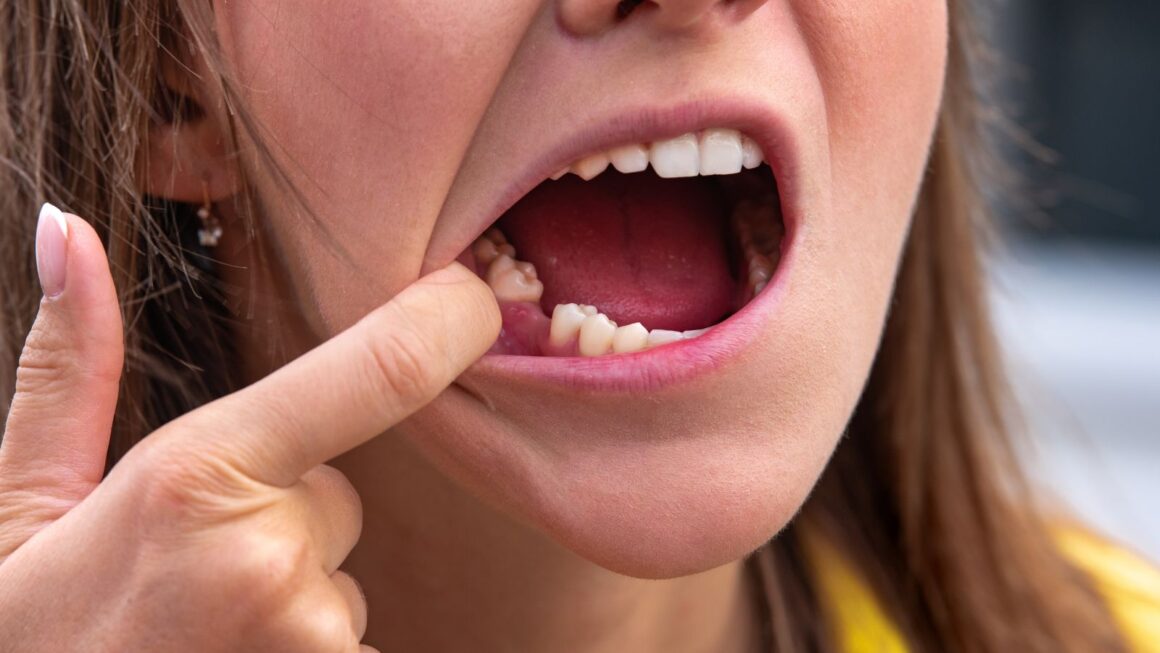
You might think missing teeth for years rules out implants, but that’s not always true. Many people exploring teeth replacement in Las Vegas who believed it was “too late” qualify for implants after assessment and modern preparatory treatments.
You’ll learn how bone loss, gum health, and timing affect options, and what procedures can restore implant candidacy. Expect clear guidance on realistic pathways and alternatives so you can decide whether implants fit your situation.
Understanding Dental Implants After Years of Tooth Loss
You can usually consider implants even after long-term tooth loss. Bone loss, soft tissue changes, and overall oral health determine what steps you’ll need before implants.
How Missing Teeth Affect Jawbone Health
When a tooth is missing, the jawbone where the root used to be no longer receives the daily pressure from chewing that stimulates bone maintenance. Within months you can lose measurable bone height and width; over years the ridge can shrink enough to change facial contours and reduce the available bone for an implant.
Bone loss is most pronounced in the first year but continues more slowly afterward. The amount of resorption depends on which tooth is missing (front upper and lower teeth tend to cause more visible changes), how many teeth are gone, and whether you wear a denture that further accelerates pressure-related resorption.
You can measure bone volume with CBCT (cone-beam CT) and clinical exam. Your dentist will look at vertical height, buccal-lingual width, and the proximity to anatomical structures like the maxillary sinus or inferior alveolar nerve to decide if bone grafting or sinus lift is required.
Changes in the Mouth Over Time
Soft tissues adapt after tooth loss: the gums can flatten, the papillae between teeth can collapse, and the vestibule depth may reduce. These changes affect how an implant crown will look and how easy it is to clean around it.
Adjacent teeth can drift or tip into the empty space, and opposing teeth may supra-erupt. These movements change occlusion and may require orthodontic treatment before implant placement. Long-standing denture wear often leads to a thinner, less resilient mucosa that can complicate implant healing.
Chronic inflammation or untreated periodontal disease can persist and must be controlled. Smoking, uncontrolled diabetes, and osteoporosis medications also influence healing and treatment sequencing.
Typical Candidacy Requirements for Implants
You need adequate bone volume and healthy soft tissue to support an implant; if you lack bone, grafting or ridge augmentation can often restore dimensions. A CBCT scan and diagnostic models establish the precise three-dimensional needs for implant placement.
Good oral hygiene and controlled periodontal status are essential. Your dentist will evaluate medical history for conditions that impair healing—uncontrolled diabetes, recent bisphosphonate use, or heavy smoking may require management or alternative plans.
Age alone rarely disqualifies you; systemic health and local anatomy matter more. Expect a treatment plan that may include grafting, sinus lift, tooth movement, or staged surgeries to create a stable environment for predictable implant integration.
Are Dental Implants Still an Option Years Later?
Even after years of missing teeth, you often still qualify for implants. Several predictable medical and technical factors determine what procedures will be needed to place implants safely and reliably.
Common Misconceptions About Implant Eligibility
Many people assume implants require perfect oral health and thick jawbone. That’s not true. Medical conditions like well-controlled diabetes or past periodontal disease do not automatically disqualify you; they require tailored planning and possibly medical clearance.
Age alone rarely prevents implants. Success depends more on bone quality, healing capacity, and oral hygiene than chronological age. Heavy smoking, unmanaged systemic disease, or active untreated infection are the real red flags.
You don’t need adjacent natural teeth to support an implant. Modern implant protocols allow single, multiple, and full-arch restorations supported solely by implants. Toothlessness does not mean implants are off the table.
Modern Solutions for Long-Term Tooth Loss
Bone loss after tooth loss is common but treatable. Bone grafting using autograft, allograft, or synthetic materials can rebuild ridge height and width over months. Guided bone regeneration with membranes refines shape and contour for proper implant placement.
Sinus lift procedures restore upper jaw bone under the sinus floor when molar/premolar bone resorbs. Ridge expansion and onlay grafts address narrow arches. In many cases, staged grafting lets you receive implants later with predictable outcomes.
Immediate-loading and zygomatic implants provide alternatives when conventional implants are challenging. Zygomatic implants anchor in cheekbone for severe maxillary resorption. Your surgeon will match solution to anatomy, timeline, and budget.
Assessing Bone Density and Structure
Your dentist uses high-resolution cone beam CT (CBCT) to measure bone volume, density (Hounsfield-like values), and proximity to nerves and sinuses. These scans reveal cortical thickness, cancellous quality, and available vertical and horizontal dimensions.
Clinicians classify sites by bone quality (often D1–D4) to decide implant diameter, length, surface treatment, and need for augmentation. Denser bone favors primary stability; softer bone may need wider or longer implants and staged healing.
Clinical exam checks soft tissue thickness, keratinized gingiva, and occlusal forces that affect implant longevity. Expect a treatment plan that lists required grafts, implant types, timeline, and predicted success rates based on your specific anatomy.
Treatment Pathways and Alternatives
You can often pursue multiple treatment routes even after years without teeth. Options include rebuilding bone, placing implants with adjunctive procedures, or choosing non-implant restorations based on cost, time, and medical factors.
Bone Grafting and Regenerative Procedures
If your jaw bone is too thin or short for implants, grafting can restore width and height. Common techniques include autografts (bone from your own body), allografts (donor bone), and xenografts (bovine-derived), plus synthetic grafts. Your surgeon may use guided bone regeneration with barrier membranes and growth factors like BMP or PRF to encourage new bone formation.
Timing varies: socket preservation occurs at extraction; ridge augmentation or sinus lifts can be done before or at implant placement. Expect 3–9 months for graft maturation depending on graft type and site. Risks include infection, graft failure, and additional surgery, but success rates are high when you’re a suitable candidate and follow post-op care.
Implant Alternatives for Complex Cases
If implants remain unsuitable, several restorative options restore function and appearance. Fixed dental bridges anchor to adjacent teeth and work well when those teeth are strong. Removable partial dentures are less expensive and replace multiple missing teeth, though they can feel bulkier and require daily removal and cleaning.
For edentulous jaws, conventional dentures or implant-supported overdentures (using fewer implants) offer choices balancing stability and cost. You might also consider resin-bonded (Maryland) bridges for single-tooth gaps when conserving adjacent teeth is a priority. Discuss chewing demands, esthetics, health conditions (like diabetes or smoking), and long-term maintenance when evaluating alternatives.
Recovery Expectations and Outcomes
Healing timelines differ by procedure and your health status. After grafting, expect swelling and mild discomfort for 7–14 days and gradual integration over months. Implant placement usually causes 3–7 days of acute discomfort and 3–6 months of osseointegration before final crowns are attached.
Outcomes: when properly planned, grafts and implants yield predictable function and esthetics. Long-term success depends on oral hygiene, smoking cessation, and regular dental visits. Be aware of potential complications—implant failure, peri-implantitis, or prosthetic wear—and the need for occasional repairs or maintenance over years.