
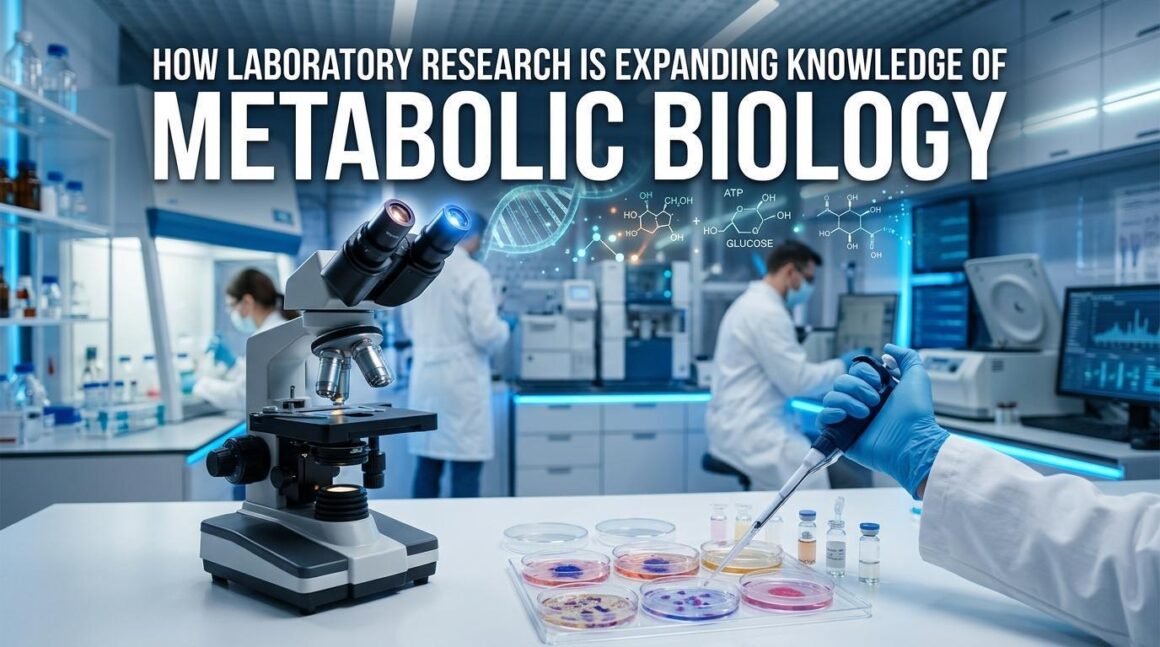
Metabolism is one of those words we hear all the time, but most people don’t really know what it means at a cellular level. It’s not just about how fast you burn calories. It’s a complex system of chemical reactions that keep every cell in your body running.
Over the past few decades, laboratory research has completely changed how scientists understand this system. New tools, better technology, and deeper curiosity have opened doors that were closed just a generation ago.
Let’s break down what’s happening in this field and why it matters.
What Metabolic Biology Actually Studies
Metabolic biology looks at how the body converts food into energy, how cells communicate with each other, and how different organs work together to keep everything balanced.
This includes things like:
- How glucose is processed and used for energy
- How fat cells store and release energy
- How hormones signal hunger and fullness
- How the liver, pancreas, and gut work as a team
None of this happens in isolation. It’s a network, and researchers are still mapping out how all the pieces connect.
Why Laboratory Research Matters So Much
Textbooks make metabolism sound simple, but the reality is messy. Cells behave differently under stress, age, or changes in diet. That’s where lab research comes in.
Scientists use controlled environments to isolate one variable at a time. This lets them see exactly how a hormone, enzyme, or cell type behaves without outside interference.
Without this kind of controlled study, it would be almost impossible to understand cause and effect in something as complicated as human metabolism.
The Role of Cell Studies
A lot of early-stage metabolic research starts with cell cultures. Researchers grow specific cell types in a lab setting and observe how they respond to different signals.
This helps answer basic questions like:
- Does this molecule increase or decrease energy use in the cell?
- How do fat cells respond to certain signaling proteins?
- What happens when a receptor is blocked or activated?
Cell studies are often the first step before anything moves toward animal models or larger scale research.
Animal Models and What They Reveal
Animal studies allow scientists to observe metabolism in a full, living system rather than isolated cells. This is important because the body doesn’t function in pieces. Organs talk to each other constantly.
Researchers can track things like body weight changes, blood sugar patterns, and hormone levels over time. This gives a much fuller picture than cell studies alone.
It’s worth noting that animal research is just one part of the process. Results at this stage are not the same as results in humans, and researchers are careful not to overstate early findings.
Hormones and Metabolic Signaling
One of the most active areas in current metabolic research involves hormones that regulate appetite, blood sugar, and energy balance.
Scientists have spent years studying incretin hormones, which are naturally produced in the gut and play a role in insulin release and digestion. Understanding how these hormones work has opened up a whole new area of study focused on metabolic regulation.
This is also where peptide research has become especially active. Peptides are short chains of amino acids that can mimic or influence natural hormone activity. Researchers use them in laboratory settings to study how specific pathways respond when a hormone signal is amplified or adjusted.
For researchers looking to study these compounds under controlled laboratory conditions, some choose to buy retatrutide online through specialized suppliers that provide research-grade materials for laboratory use only.
How Researchers Study These Compounds Safely
Laboratory work involving peptides follows strict protocols. This isn’t casual experimentation. It involves:
- Controlled dosing environments
- Proper storage and handling procedures
- Careful documentation of results
- Ethical oversight for any animal studies
These steps matter because consistency is everything in research. If handling isn’t standardized, results can’t be trusted or repeated.
The Importance of Reproducibility
One thing people outside of science often don’t realize is how much emphasis is placed on repeating experiments. A single result doesn’t mean much on its own.
Researchers need to see the same outcome across multiple trials before they can draw any real conclusions. This is part of why metabolic research can feel slow. Good science takes time, and shortcuts usually lead to unreliable data.
What This Means for the Future
As lab techniques improve, so does our understanding of metabolic health. Better imaging tools, more precise molecular tracking, and improved data analysis are helping researchers see things that weren’t visible before.
This includes better insight into how different tissues respond to hormonal signals, how metabolic rate changes with age, and how genetic factors influence energy balance.
None of this research moves in a straight line. It’s a slow accumulation of small discoveries that eventually add up to bigger breakthroughs.
Where Peptide Research Fits In
Because of their ability to interact with specific receptors, peptides remain a major focus in metabolic laboratory work. Scientists continue to study how these molecules influence appetite regulation, energy expenditure, and glucose metabolism.
This is a good example of why access to reliable research materials matters. Laboratories that choose to buy retatrutide online typically do so to maintain consistency across studies, since sourcing from a dependable supplier reduces variability in experimental results.
Common Questions People Have
Is laboratory research the same as clinical treatment?
No. Laboratory research is an early step used to understand biological mechanisms. It is not the same as approved medical treatment.
Why does peptide research take so long to translate into real-world use?
Because safety, dosing, and long-term effects need to be studied carefully before anything moves beyond the lab setting.
Are all metabolic studies done in humans?
No. Many studies start with cells or animal models before any human-related research is even considered.
Final Thoughts
Metabolic biology is a fascinating and constantly evolving field. Laboratory research plays a huge role in helping scientists understand how the body regulates energy, hormones, and overall balance.
While there’s still a lot to learn, the steady pace of discovery is what makes this area of science so promising. Each study, even a small one, adds another piece to a much bigger picture.
Disclaimer: This article is for educational and informational purposes only. Any peptides or research compounds mentioned are intended strictly for laboratory research use and are not approved for human consumption, medical treatment, or diagnostic use. Nothing in this article constitutes medical advice.