
The online wellness marketplace has made it easier than ever to research products, compare brands, and make buying decisions from home. But when it comes to botanical products like kratom, convenience should come with caution.
Kratom has become a widely discussed plant-based product in the wellness space. Some people first hear about it from online communities, wellness blogs, retail shops, or friends. Others discover it while researching traditional botanicals from Southeast Asia. As interest grows, consumers need clear, practical information about labels, product types, testing, legal restrictions, and responsible buying.
This article is for educational purposes only. It is not medical advice. Kratom is not approved by the U.S. Food and Drug Administration to diagnose, treat, cure, or prevent any disease. Anyone considering kratom should speak with a qualified healthcare professional, especially if they take medication, have a medical condition, are pregnant or breastfeeding, or have a history of substance use disorder.
What Is Kratom?
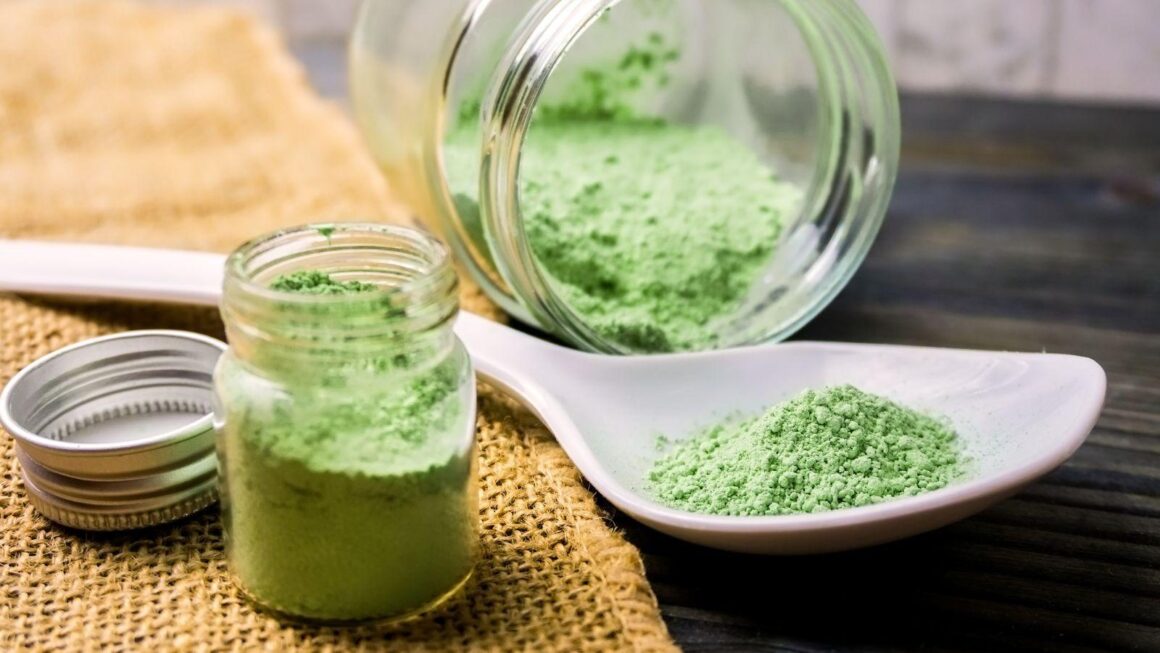
Kratom is the common name for Mitragyna speciosa, a tropical tree native to Southeast Asia. In the United States, kratom products are commonly sold online and in retail locations in forms such as powders, capsules, teas, tablets, and extracts.
Two of the most commonly discussed natural compounds in kratom are mitragynine and 7-hydroxymitragynine. These compounds are part of why kratom receives attention from consumers, researchers, regulators, and retailers.
However, kratom products are not standardized like FDA-approved medications. Product composition can vary depending on the plant source, harvest, drying method, processing, manufacturing, packaging, and storage. That is why consumers should be careful about choosing products based only on strain names, colors, or marketing claims.
Why Product Labels Matter
A product label should help consumers understand what they are buying. Unfortunately, kratom labels can be confusing because the marketplace uses many terms that are not always scientific or standardized.
Common terms include red vein, green vein, white vein, Maeng Da, Bali, Malay, Borneo, gold, yellow, enhanced, full spectrum, and extract. These names may help shoppers recognize how products are commonly categorized, but they should not be treated as guarantees of safety, potency, origin, or specific effects.
Before buying kratom online, consumers should look for clear answers to basic questions:
- What type of product is it?
- Is it powder, capsules, tea, tablets, or extract?
- What brand makes the product?
- Is the packaging sealed?
- Are ingredients clearly listed?
- Does the seller explain legal shipping restrictions?
- Does the product page avoid unsupported medical claims?
- Is customer service easy to contact?
If a website or label does not answer these questions clearly, it may be worth slowing down and researching further.
Plain Leaf Products vs. Extracts
One of the most important distinctions in the kratom market is the difference between traditional leaf products and concentrated extracts.
Plain leaf products are usually made from dried kratom leaves that are ground into powder or placed into capsules. Extracts involve additional processing that may concentrate certain compounds. Because of this, extracts can be stronger, more variable, and harder for consumers to evaluate.
Products described as enhanced, ultra, high-potency, concentrated, or extract-based deserve extra caution. Stronger does not automatically mean better. In many cases, it simply means the consumer needs more information before making a decision.
Recent regulatory attention has focused on certain concentrated or synthetic 7-hydroxymitragynine products. These products should not be confused with traditional botanical kratom leaf products, but the attention around them shows why clear labeling and responsible sourcing matter.
Why Lab Testing Is a Trust Signal
For consumers who choose to research kratom online, lab testing is one of the most important quality signals to look for.
Lab testing may help evaluate a product for identity, alkaloid profile, heavy metals, microbial contaminants, or other quality-control concerns. Ideally, testing should be tied to a product batch or a manufacturer’s standard rather than presented as a vague marketing claim.
A lab test does not mean a product is FDA-approved. It also does not prove that kratom is safe or effective for medical use. But it can help consumers better understand product quality and transparency.
Shoppers comparing online retailers should look for sellers that prioritize sealed packaging, clear labeling, responsible education, legal shipping practices, and quality and lab-tested kratom products.
Why Legal Awareness Is Important
Kratom laws vary by location. Some states, counties, and cities restrict or prohibit kratom, while others allow sales with specific rules related to age, labeling, packaging, or product composition.
Because laws can change, consumers should not rely only on old blog posts, outdated maps, forum comments, or social media discussions. Before ordering, shoppers should check current state and local rules.
Responsible online retailers should also take legal shipping restrictions seriously and avoid shipping kratom to areas where it is prohibited.
Be Careful With Health Claims
One of the clearest warning signs in the kratom marketplace is aggressive medical marketing.
Consumers should be cautious around any seller, article, or advertisement claiming that kratom treats, cures, or prevents pain, anxiety, depression, opioid withdrawal, sleep disorders, or any other health condition. Personal stories and online reviews may be meaningful to the people sharing them, but they are not the same as reliable scientific evidence.
A more responsible kratom retailer should focus on product information, testing standards, legal awareness, packaging, customer service, and education rather than disease-treatment claims.
A Simple Checklist Before Buying Kratom Online
Before purchasing kratom online, consumers can use this checklist:
- Is the product from a recognizable brand?
- Is the product factory sealed?
- Is the product type clearly explained?
- Are ingredients listed?
- Does the seller avoid medical claims?
- Is lab testing or quality control discussed?
- Are legal shipping restrictions explained?
- Is the product a plain leaf product or an extract?
- If it is an extract, is the concentration clearly explained?
- Is customer support easy to find?
- Does the website provide educational resources?
This checklist does not eliminate every risk, but it can help consumers avoid impulse buying and prioritize transparency.
Why Responsible Shopping Matters
Buying kratom online should not feel like guessing. Consumers deserve clear labels, honest product information, responsible education, and transparent retail practices.
A careful shopper does not need to chase the strongest product, the loudest claim, or the flashiest strain name. A better approach is to ask practical questions: Is the product clearly labeled? Is the seller transparent? Are legal restrictions respected? Are medical claims avoided? Is product quality explained?
Kratom is a complex botanical category, and the marketplace continues to evolve. That makes education more important, not less.
Final Thoughts
Consumers researching kratom online should take a careful, informed approach. Product type, labeling, lab testing, packaging, legal status, retailer transparency, and responsible language all matter.
Kratom is not FDA-approved for medical use, and consumers should be skeptical of unsupported health claims. Anyone with health-related questions should speak with a qualified healthcare professional before using kratom or any other botanical product.
In the end, choosing kratom online with more confidence starts with slowing down, reading carefully, checking the facts, and choosing transparency over hype.