
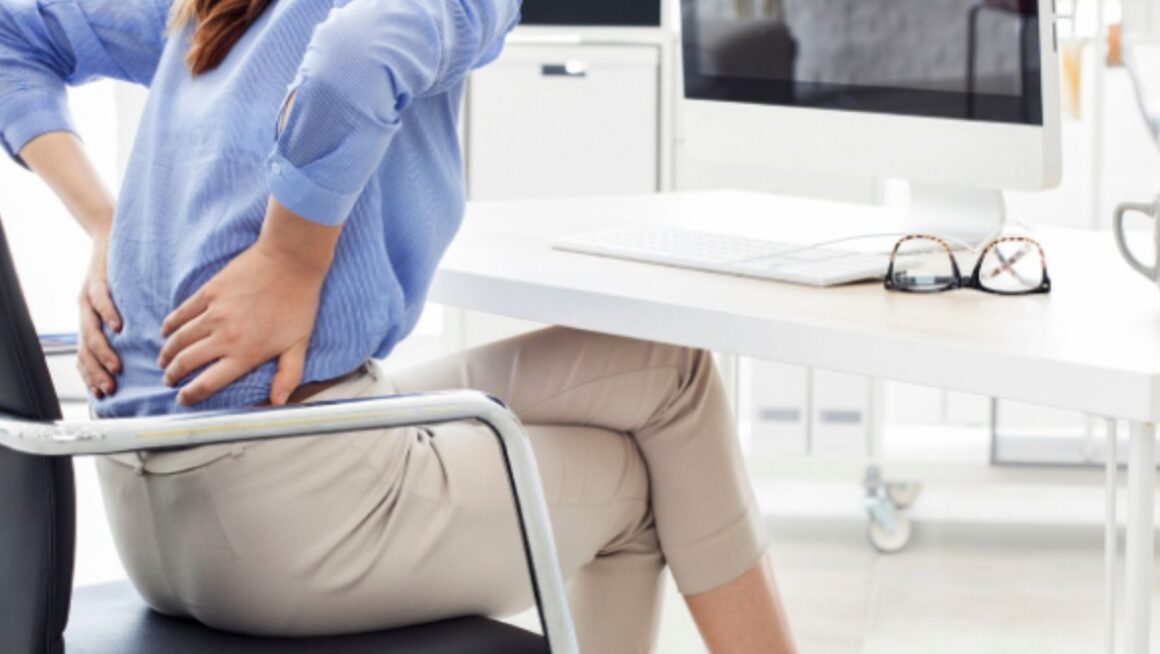
A sore back after a long day. A stiff neck from looking down at your phone. Tension in your shoulders from work stress. These kinds of aches are part of daily life for many people. Often, they start small but grow worse over time, especially if you sit for long hours, move in the wrong way, or don’t get enough rest.
Instead of living with these issues or relying on painkillers, more people are now turning to osteopathy for help. Osteopathy is a hands-on healthcare approach that focuses on how our bones, muscles, and joints work together. It can be useful for managing a wide range of common aches and pains, without the need for medication or surgery.
In this article, we’ll look at how osteopathy works, what it can help with, and what to expect during a visit.
What Is Osteopathy?
Osteopathy is a form of manual therapy that looks at how your body moves and functions. Osteopaths use touch, movement, and physical tests to check for signs of tension, imbalance, or strain. The goal is to help your body move more freely, reduce pain, and support recovery from everyday wear and tear.
In the UK, osteopaths are regulated professionals. They must complete years of training and be registered with the General Osteopathic Council. That means they are qualified to assess, treat, and give advice safely and responsibly.
If you’re new to this type of care, you can read more about what happens during osteopathic treatment on the NHS website.
Common Everyday Problems Osteopaths Treat
You don’t need to be injured to see an osteopath. Many people book appointments for things that come from their normal routine. Here are some of the most common examples:
- Back pain: From sitting too long or lifting badly
- Neck stiffness: Often linked to poor posture or long hours at a desk
- Shoulder tension: Related to stress, computer use, or carrying bags
- Headaches: Some are linked to muscle tightness or neck tension
- Joint discomfort: Like sore knees, hips, or wrists from regular use
- Tight legs or calves: Especially for those who stand all day
These issues don’t always begin with a significant injury. For example, someone who commutes long hours might experience lower back pain from sitting in the same position every day. A parent who frequently lifts a toddler could notice shoulder discomfort or wrist stiffness. Even something as simple as sleeping on the wrong pillow can lead to neck pain and headaches.
Over time, these daily habits place strain on muscles and joints. Osteopaths are trained to spot these patterns and offer gentle, practical help, especially when other approaches haven’t worked.

How Osteopathy Helps
Osteopaths use a range of techniques during treatment. These are designed to ease pain, reduce stiffness, and help your body move more smoothly.
1. Manual Therapy
This includes stretching, massage, and movement of the joints and soft tissues. These actions can help reduce muscle tension, improve joint mobility, and support healing.
2. Posture and Movement Checks
Your osteopath will watch how you sit, stand, and move. This helps them understand which muscles or joints are under strain. They might also explain how small changes in your daily habits could make a big difference.
3. Blood Flow and Nerve Support
Gentle techniques can improve blood circulation, which helps with healing. Some patients also find relief from nerve-related discomfort, such as tingling or numbness.
Osteopathic treatment also encourages the body’s natural processes. For example, better blood flow means more oxygen reaches sore or stiff muscles. This supports recovery and can reduce swelling or tension in the area.
In some cases, people who suffer from pain caused by nerve compression (such as sciatica or tingling in the arms) notice that osteopathic techniques ease pressure on those nerves. This doesn’t happen instantly, but over time, it can lead to steady improvement.
Every treatment plan is adjusted to the person’s needs. Some people feel better after one or two sessions, while others might need more regular care to see full benefits.
What Happens During a Visit
Most osteopathy sessions follow a clear pattern:
- Initial chat: You’ll be asked about your symptoms, lifestyle, and medical history
- Physical check-up: The osteopath may ask you to move, stretch, or sit in certain ways to test your range of motion
- Treatment: This usually involves gentle hands-on work, focused on the areas causing discomfort
- Advice: You may be given exercises or posture tips to try at home
Osteopaths spend time getting to know your history, including past injuries, your daily routine, and your physical activity levels. This helps them connect the dots between your symptoms and possible causes.
The physical check might include gently moving your joints or pressing on certain areas to feel for tension. This hands-on approach gives useful feedback to both the osteopath and to you. Many people realise during this part how tense or restricted a certain muscle has become without them even noticing.
Osteopathic treatment is usually done fully clothed, but you may be asked to wear light or loose-fitting clothes. The environment is calm and respectful, and you can ask questions at any point.

Looking After Yourself Between Appointments
Osteopathy doesn’t stop when you leave the clinic. Many osteopaths offer simple advice to help you feel better day to day. For example:
- Move more often: Taking breaks from sitting every 30–60 minutes can help prevent stiffness
- Stretch regularly: Gentle stretching in the morning or before bed can improve flexibility
- Adjust your workspace: Set up your chair, screen, and desk in a way that supports good posture
- Stay hydrated: Your muscles and joints work better when your body is well hydrated
An osteopath might also show you small stretches you can do at your desk or after a walk. These aren’t complex exercises; simple movements done regularly can go a long way in preventing discomfort.
Some people benefit from using a standing desk, switching chairs, or changing the height of their screen. It’s not about buying expensive equipment, but about becoming more aware of your body and how it responds to everyday movements.
When Should You See an Osteopath?
While mild aches often go away on their own, there are times when it’s worth booking a session. Consider seeing an osteopath if:
- Your pain has lasted more than a few days
- You feel stiff every morning
- You rely on painkillers often
- Your discomfort affects your sleep or mood
- You feel like your body isn’t moving the way it used to
It’s better to act early. Waiting for pain to “go away on its own” sometimes leads to longer recovery times. If you notice recurring discomfort or you feel like your body isn’t moving the way it used to, it’s worth checking in with a professional.
An osteopath can also work alongside your GP or other specialists, especially if they spot something outside their area of care. Their aim is always to support your overall health.

Find a Local Option: Arc Osteopathy
When you’re in pain, you don’t want to travel too far or wait too long to be seen. Perhaps you even have private insurance to cover your Osteopathy costs? It’s best to look for a local osteopath who is both professionally qualified and insured. Arc Osteopathy is one example of a local Croydon osteopath clinic offering care for common aches and pains. Their team focuses on simple, safe, and supportive treatment for people of all ages.
Final Thoughts
Every day pain doesn’t have to be part of your normal routine. Whether you sit at a desk, work on your feet, or carry young children, it’s easy to develop tension or strain. Osteopathy offers a way to support your body in feeling better: gently, safely, and without medication.
If you’ve been putting up with nagging discomfort, it may be time to take the first step toward relief.