Medical scans are often seen as something you only get when something feels wrong. But scans can also help spot health issues early, even before symptoms appear. If you’re experiencing persistent discomfort, noticing unusual changes, or simply seeking a health check, then getting a medical scan could be a smart step.
This guide explains when scans are helpful, what types of scans are commonly used, and how they support early detection. It also highlights when to act based on symptoms, age, or risk factors.
What Are Medical Scans Used For?
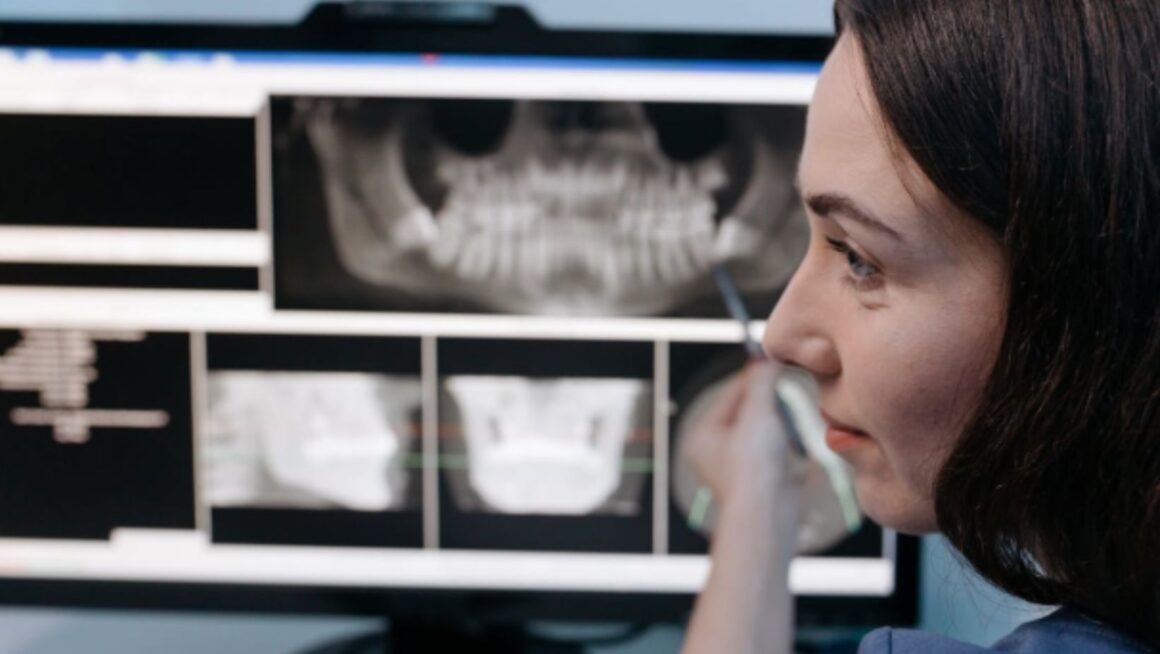
Scans help doctors see inside your body without surgery. They can check for damage, swelling, blockages, changes in organ size or shape, and many other signs that something isn’t working as it should.
Here are four common types of scans and what they’re used for:
- MRI (Magnetic Resonance Imaging) – good for soft tissues like muscles, the brain, spine, and joints
- CT (Computed Tomography) – often used for fast imaging of the chest, abdomen, or injuries
- Ultrasound – often used for pregnancy, gallbladder problems, soft tissue lumps, and pelvic issues
- X-ray – best for bones, chest checks, and quick views of dense tissue
These tests help doctors diagnose or rule out conditions so you can start the right treatment sooner.

When Symptoms Should Prompt a Scan
It’s important not to ignore symptoms that last longer than expected or don’t respond to simple treatment. Here are a few examples of when a scan may be the next step:
Ongoing or Unexplained Pain
Pain that sticks around, especially in the back, joints, or abdomen, could mean there’s something deeper going on. If rest or medication doesn’t help, a scan may be needed.
Headaches or Dizziness
Occasional headaches are common. But if you’re having frequent headaches, dizziness, or vision problems, a doctor might suggest a brain scan to check for pressure, inflammation, or structural changes.
Sudden Changes
If you notice sudden speech problems, memory issues, vision loss, or weakness on one side of the body, urgent scanning may be needed. These can be signs of stroke or other serious problems.
Swelling or Lumps
Soft tissue lumps, swelling in the abdomen, or pain that worsens with time might need an ultrasound or MRI to understand what’s happening under the surface.
Ongoing Cough or Chest Pain
If your cough doesn’t go away, or you’re experiencing unexplained chest pain, your doctor might recommend a chest X-ray or CT scan.
Injuries from Sports or Accidents
If pain or swelling from a fall or injury hasn’t improved in a few days, a scan might be needed to rule out fractures, ligament damage, or internal bleeding.

Screening Based on Age or Risk
You don’t always need symptoms to benefit from a scan. In some cases, scans or checks are recommended based on your age or family history. This is part of preventive care.
Public health guidance includes regular checks for things like blood pressure, cholesterol, and cancer screening based on age or risk. You can refer to UK screening uptake statistics to see how screening is used across the country for common conditions such as breast, bowel, and cervical cancer.
According to the WHO overview of preventive healthcare, non-infectious conditions like heart disease, cancer, and diabetes are the leading causes of early death worldwide. Early detection, including through imaging and scans, plays a key role in improving outcomes.
Do You Need a Referral?
On the NHS, scans usually require a referral from your GP or specialist. This helps ensure the scan is appropriate and medically supported.
Private healthcare offers faster access in many cases. Clinics like Vista Health offer MRI, CT, ultrasound, and X-ray services with short waiting times. In some cases, you can book a scan directly without needing a GP referral, though a short consultation may still be required.

Is It Possible to Get “Too Many” Scans?
Yes. Scans are incredibly useful, but they should be done for the right reasons. A good healthcare provider will assess your situation and help decide if a scan is needed or if another approach makes more sense.
Unnecessary scans can lead to stress, extra cost, or even confusing results that aren’t helpful. That’s why having a clear reason matters.
Final Thoughts
Scans are an important part of modern healthcare. They help confirm diagnoses, rule out serious concerns, and support early treatment. While not everyone needs regular scanning, there are clear times when getting checked can help you stay ahead of health problems.
If you’re feeling unwell, have ongoing symptoms, or have concerns based on age or family history, speak to a healthcare provider. Scanning can be a simple step toward peace of mind, or early action when it’s needed most.