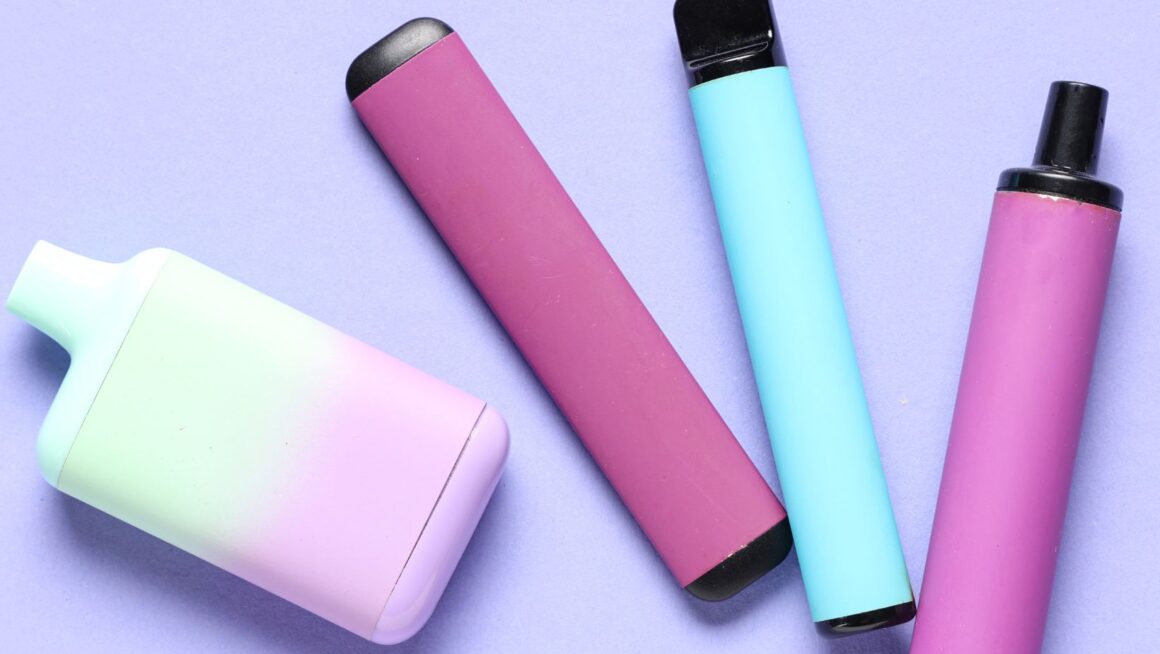
Pod system vapes have quickly secured their place in the vaping industry, offering convenience, portability, and user-friendly designs. Among these, the novo 2 stands out as a popular choice for both beginners and experienced vapers. While the appeal of pod systems is undeniable, understanding the safety standards and regulatory requirements governing these products is critical for both manufacturers and users. This article explores the intricate landscape of safety measures, laws, and best practices that shape the pod system vape market.
The Role of Regulations in Ensuring Vape Product Safety
Vape products, including pod systems, are subject to stringent safety regulations in many regions worldwide. These rules aim to protect public health by addressing potential risks associated with vaping. For manufacturers of devices like the novo 2, compliance with these regulations is non-negotiable to ensure their products are both effective and safe.
One key area of regulation focuses on the materials used in manufacturing. For example, the metal components in vape devices are often scrutinized to limit exposure to heavy metals like lead. Similarly, chemical standards are in place for e-liquids, ensuring that users are not exposed to harmful substances such as diacetyl, which has been linked to respiratory conditions. These laws are in place to create a safer vaping experience, reducing the risks associated with poor-quality products.
Furthermore, product labeling and marketing fall under strict oversight. By law, companies must provide clear warnings about nicotine content and potential health risks. Misleading claims, such as promoting vape products as a “healthy” alternative to smoking, are not permitted.
Device Standards and Certifications for Pod Systems
When it comes to the novo 2 and other pod systems, manufacturing standards are crucial in ensuring consistent safety across devices. Regulatory bodies, such as the Food and Drug Administration (FDA) in the United States, have established policies requiring manufacturers to submit detailed product designs for approval before they reach the market.
One critical area of focus is battery safety. Lithium-ion batteries, commonly used in pod systems, can overheat or even explode if improperly designed. To mitigate these risks, pod vapes undergo rigorous testing for thermal stability, short-circuit prevention, and overcharge protection. The novo 2, for example, is engineered with safety features like automatic shutoff mechanisms to prevent overheating—a regulation-compliant design that prioritizes user safety.
Another essential standard is childproofing. Pod systems must be designed to prevent unintended use, particularly by children. Features like tamper-proof pods and secure locking mechanisms are now mandatory in many jurisdictions, reflecting the shift toward safer product designs.
E-Liquid Composition and Transparency
Regulations governing e-liquids are equally strict, encompassing their composition, packaging, and advertising. E-liquids must meet established safety criteria, ensuring that all ingredients are deemed safe for human inhalation. This oversight extends to flavoring agents, which are sometimes scrutinized for their potential toxicity when heated.
Take, for example, nicotine concentration—a major point of regulation. The European Union, under its Tobacco Products Directive (TPD), limits nicotine content to a maximum of 20mg/ml for retail e-liquids. Similarly, the United States imposes restrictions on the amount of nicotine in closed pod systems to prevent overexposure. Products like the novo 2 adhere to these limits, ensuring reduced risks to consumers.
Transparency is another vital consideration. Manufacturers are legally required to list all ingredients on product labels, enabling users to make informed choices. This includes disclosing nicotine levels, flavoring compounds, and any potential allergens present in the e-liquid.
International Standards and Regional Variations
While global efforts aim to align safety standards for vape products, regional nuances still persist. For instance, in the United States, the FDA mandates premarket authorization for all vaping devices, including pod systems. This process involves a comprehensive review to verify that the product poses no unnecessary risks to the public.
On the other hand, countries like the United Kingdom have adopted different approaches, focusing on consumer education alongside regulation. British laws emphasize consistent quality standards for manufacturers while providing accessible information to help users make mindful decisions.
The novo 2, like many other pod systems, is carefully designed to meet a wide range of international safety benchmarks, making it accessible to global markets. This adaptability has contributed to its popularity and continued trust among consumers.
Addressing Counterfeit Products and User Safety
Despite the stringent regulations in place, counterfeit vape products remain a significant threat to consumer safety. Fake versions of popular devices, including the novo 2, often bypass safety testing and quality control, leading to potentially hazardous results. These counterfeit products may use substandard materials, such as low-quality batteries or unregulated coils, which increase the risk of malfunction or harm to the user.
To protect yourself from counterfeit devices, always purchase vaping products from verified retailers. Authentic pod systems typically include tamper-proof packaging, serial numbers, and other identifiers to confirm their legitimacy. Manufacturers also encourage consumers to register their devices for warranty purposes, further ensuring product authenticity.
Why Compliance Matters to Users
For consumers, understanding the role of compliance in vaping products can significantly influence purchasing decisions. Devices that fail to meet established safety standards may expose users to unnecessary risks, including device malfunctions, chemical hazards, and poor vapor quality.
By choosing a compliant device like the novo 2, users can enjoy their vape experience with peace of mind, knowing that the product has undergone rigorous testing. Manufacturers of compliant devices prioritize durability, functionality, and adherence to regulatory guidelines, providing consumers with better-performing, safer products.

Compliance also extends to user behavior. For instance, proper charging of vape devices, regular maintenance, and careful storage of e-liquids all play a role in ensuring safety. Educating consumers about responsible vaping practices goes hand-in-hand with regulatory efforts, creating a safer environment for everyone involved.
Future Developments in Vape Product Safety
The landscape of regulation and safety for pod systems continues to evolve. Governments worldwide are investing in research to better understand the long-term implications of vaping and to adapt policies accordingly. For example, emerging technologies in battery design and e-liquid formulation aim to make products even safer.
The novo 2 and similar devices will likely meet more advanced standards as these innovations take shape. Continued improvements in tamper-proof packaging, nicotine delivery systems, and product labeling can be expected in the coming years. These advancements will reinforce safety, positively impacting the reputation and longevity of the vaping industry.
Final Thoughts
Safety standards and regulations for pod system vape products play an indispensable role in mitigating potential risks associated with vaping. Devices like the novo 2 showcase how compliance with these policies can result in safer, more reliable products for consumers. From manufacturing standards and e-liquid transparency to combating counterfeit items, every aspect of the industry is focused on creating a better experience for users.
Whether you are a newcomer or a seasoned vaper, choosing regulated products ensures your safety while using devices designed to meet high-quality standards. With continued advancements and stricter regulations, the vaping community can look forward to a more secure, enjoyable future.