
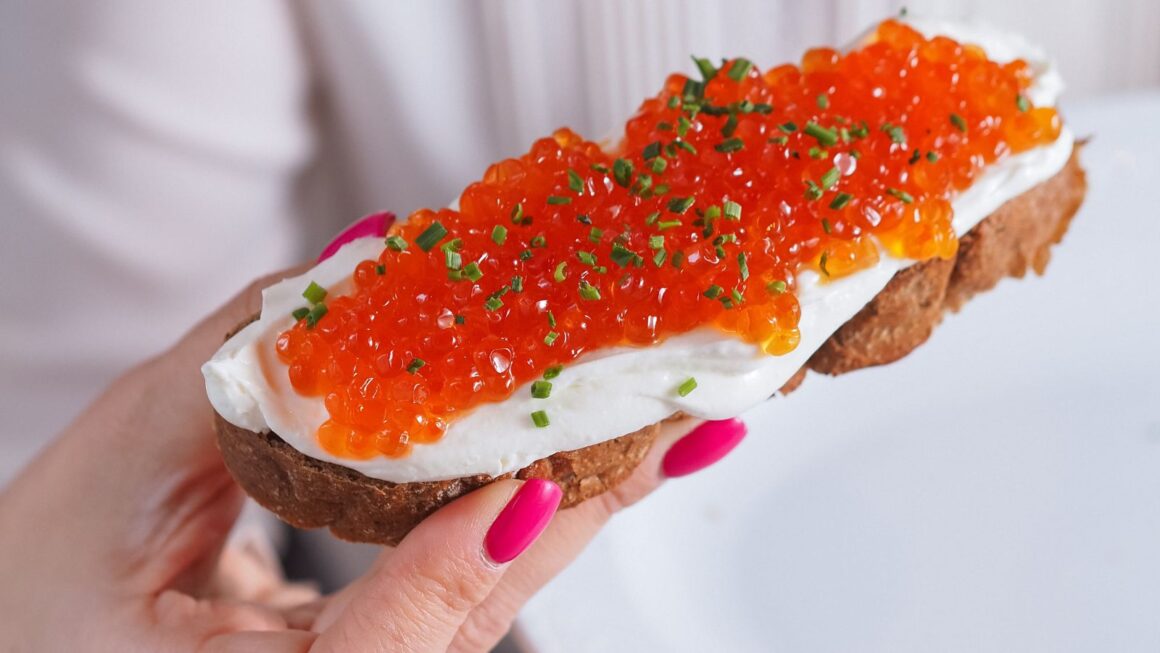
The act of eating has evolved from a simple necessity into a form of artistry and mindfulness. The clinking of cutlery, the aroma of simmering herbs, and the vibrant colors on a plate are no longer just sensory experiences—they are acts of self-kindness. People are beginning to see food not merely as fuel, but as a ritual that nourishes the body, soothes the mind, and comforts the soul. From artisanal breakfast bowls to a delicate spoonful of Ossetra caviar on toast, the culinary world is becoming a playground for self-expression and personal care.
Understanding Food as Self-Care
Traditionally, discussions around food have focused on nutrition, dieting, or weight management. While these remain important, the concept of food as self-care shifts the focus toward enjoyment, mindfulness, and personal satisfaction. It acknowledges that eating is an emotional and sensory experience as much as a physical one. For many, choosing meals that are comforting, nourishing, or indulgent is an act of kindness toward oneself—a moment to pause, reflect, and recharge.
At its core, food as self-care encompasses a range of practices. It can mean preparing a homemade meal with fresh ingredients to nourish the body, savoring a favorite comfort food to evoke positive memories, or experimenting with new recipes as a creative outlet. It may also involve mindful eating practices, where individuals focus fully on the taste, texture, and aroma of food, fostering a deeper connection to their senses and emotional state.
The Influence of Wellness Culture
The trend of food as self-care is closely linked to the broader wellness movement. Over the past decade, wellness has expanded from fitness and spa treatments to include nutrition, mental health, and holistic lifestyle choices. Social media platforms like Instagram and TikTok have amplified this phenomenon, providing spaces where influencers, chefs, and everyday users share visually appealing and health-conscious meals as a form of self-expression and self-love.
Products labeled as “clean,” “organic,” or “functional” have surged in popularity, reflecting a desire for foods that not only taste good but also support physical and mental health. Functional foods, such as adaptogenic herbs, probiotics, and nutrient-dense snacks, promise benefits ranging from reduced stress to improved digestion. These offerings resonate with consumers who view eating as an investment in their overall well-being, rather than a mere obligation to meet nutritional needs.

Emotional Connection and Comfort
Food has always held a unique emotional significance. Childhood memories, family traditions, and cultural practices are often tied to specific dishes or flavors. Today, people are deliberately harnessing this emotional power of food as a form of self-care. A warm bowl of soup, a slice of homemade pie, or a carefully brewed cup of tea can provide a sense of comfort and stability in a stressful world. Even luxurious touches, such as savoring a spoonful of Ossetra caviar, can serve as a reminder to indulge thoughtfully and celebrate life’s little pleasures.
During the COVID-19 pandemic, this aspect of food as emotional support became even more pronounced. Lockdowns and social isolation drove many to reconnect with cooking and baking as coping mechanisms. Home kitchens became spaces of creativity, stress relief, and emotional replenishment. The act of preparing and enjoying food allowed individuals to feel grounded and cared for, reinforcing the notion that food can serve as an intimate form of self-nurturing.
Mindful Eating and Intention
Another key element of food as self-care is mindfulness. Mindful eating encourages individuals to slow down, appreciate the flavors and textures of their meals, and pay attention to hunger and satiety cues. This practice fosters a healthier relationship with food, reducing mindless snacking or guilt associated with eating certain foods.
Mindful eating is not only beneficial for physical health but also for mental well-being. Taking time to savor each bite promotes relaxation, reduces stress, and cultivates gratitude for the nourishment food provides. By consciously choosing what to eat and how to eat it, individuals transform meals into meaningful rituals rather than routine obligations.
Personalization and Experimentation
Food as self-care also aligns with the growing desire for personalization in all aspects of life. Just as skincare routines are tailored to individual needs, people are increasingly curating their diets to align with their unique health goals, taste preferences, and lifestyles. This might involve experimenting with plant-based diets, exploring global cuisines, or incorporating superfoods and supplements that support mental and physical wellness.
This trend encourages creativity and exploration in the kitchen. Cooking becomes not only a functional task but a form of self-expression, a hobby, and a source of joy. The process of selecting ingredients, preparing meals, and plating them beautifully can be meditative and rewarding, reinforcing a sense of accomplishment and self-worth.
Community and Connection
Interestingly, food as self-care is not always an individual pursuit. Sharing meals with friends and family, participating in cooking classes, or joining online food communities can enhance social well-being and combat feelings of isolation. Communal eating fosters connection, joy, and shared experiences—all of which are essential components of holistic self-care.
Social media also plays a role in creating a sense of community around food. Platforms allow people to share recipes, celebrate culinary successes, and discover new ways to nourish themselves. This digital connectivity underscores that food as self-care is both personal and collective—a way to care for oneself while also engaging meaningfully with others.
Challenges and Considerations
While the trend of food as self-care is largely positive, it comes with some challenges. The commercialization of wellness foods can create unrealistic expectations or pressure to eat perfectly “healthy” at all times, which can lead to guilt or anxiety. Additionally, the emphasis on food as self-care should not overshadow other aspects of well-being, such as exercise, sleep, and mental health practices.
It’s also important to recognize that self-care through food should be inclusive and flexible. Not everyone has access to premium ingredients or time for elaborate cooking, and self-care does not have to be complicated or expensive. Even simple practices, like enjoying a piece of fruit mindfully or having a favorite snack without guilt, can be powerful forms of nourishment.
Conclusion
The growing trend of food as self-care reflects a deeper cultural shift toward intentional living and holistic wellness. Food is no longer seen merely as fuel but as a tool for emotional regulation, self-expression, and personal growth. From mindful eating to creative cooking, from comfort foods to functional ingredients, people are embracing the power of food to nurture their bodies and minds.
This trend highlights a fundamental truth: self-care is not one-size-fits-all. By approaching food with intention, mindfulness, and joy, individuals can cultivate a healthier, more compassionate relationship with themselves and with what they eat. Ultimately, the rise of food as self-care is a celebration of nourishment in all its forms—physical, emotional, and spiritual—and a reminder that caring for oneself can begin right on the plate.