When it comes to cooking and baking, unsalted butter is a staple that often plays second fiddle to its salted counterpart. But is that really fair? The truth is, unsalted butter deserves a star spot on your culinary stage. Not only does it have a rich flavor that elevates dishes, but its nutritional profile is nothing to scoff at. Get ready to jump into the creamy goodness of unsalted butter, explore its health benefits, and learn how to incorporate it effortlessly into your meals. So, grab a seat and maybe a snack – it’s about to get buttery.
Unsalted Butter Nutrition
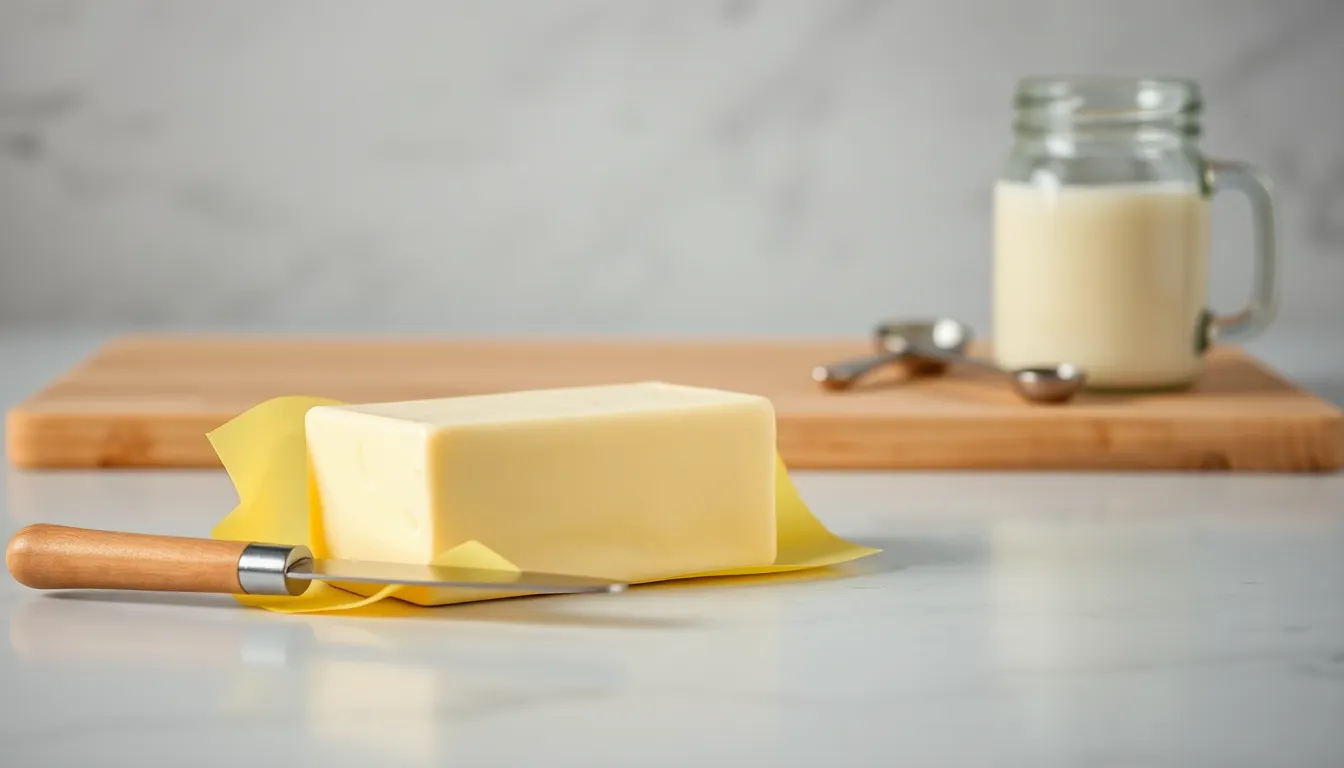
Unsalted butter is exactly what it sounds like – butter that contains no added salt. This delightful dairy product, churned from fresh cream, has a smooth and creamy texture that makes it perfect for baking, cooking, or simply spreading on toast. Without salt, the pure flavor of butter shines through, making it the preferred choice for recipes where taste matters most. Home bakers often opt for unsalted butter to control the seasoning of their dishes entirely, allowing for more accurate flavor profiles. As a bonus, unsalted butter typically has a longer shelf life than salted butter, making it a great pantry staple.
Nutritional Profile of Unsalted Butter
Calories and Macronutrients
Unsalted butter may seem indulgent, but it’s essential to understand its nutritional makeup. A tablespoon of unsalted butter contains approximately 100 calories, primarily derived from fat. Each tablespoon is about 11 grams of total fat, which translates into about 7 grams of saturated fat. While that might sound alarming, saturated fats can be part of a balanced diet when consumed in moderation. Interestingly, unsalted butter contains about 0.1 grams of carbohydrates and 0.1 grams of protein, making it a high-fat, low-carb food choice.
Vitamins and Minerals in Unsalted Butter
Beyond calories and macronutrients, unsalted butter boasts a variety of vitamins and minerals. It’s a solid source of Vitamin A, an essential nutrient for vision and immune function. Also, it contains Vitamin E, which is a powerful antioxidant that helps combat oxidative stress in the body. Unsalted butter also provides a modest amount of Vitamin K2, linked to heart and bone health. Trace minerals such as calcium, phosphorus, and magnesium round out its nutritional profile, making it more beneficial than one might initially think.
Health Benefits of Unsalted Butter
Many people might be surprised to learn that unsalted butter can actually fit into a healthy diet. One of the foremost advantages is its role in providing essential fatty acids, which the body needs for various functions, including hormone production and cell health. Also, the medium-chain triglycerides (MCTs) found in unsalted butter can offer a quick source of energy, particularly for those following low-carb or ketogenic diets.
Also, unsalted butter contains butyrate, a short-chain fatty acid that may promote gut health and reduce inflammation. This makes it a fantastic option for anyone looking to improve their digestive system. Besides, the fat content can help enhance the absorption of fat-soluble vitamins like Vitamins A, D, E, and K, ensuring that you get the most out of your meals. Eventually, unsalted butter can be a nourishing choice when used wisely.
Unsalted Butter vs. Salted Butter: Nutritional Differences
While both unsalted and salted butter are made from cream, the primary difference lies in their sodium content. Unsalted butter contains no added salt, while salted butter can have anywhere from 1 to 1.5 grams of sodium per tablespoon. This means if individuals are watching their sodium intake, unsalted butter is the clear winner.
But, it’s not just about sodium: the absence of salt in unsalted butter allows the natural flavors to take center stage. This is particularly beneficial in baking, where precision is key. In recipes requiring exact measurements of salt, unsalted butter allows for better control. From a caloric perspective, the two types are quite similar, but the choice between them usually comes down to personal preference and dietary needs.
How to Incorporate Unsalted Butter Into Your Diet
Integrating unsalted butter into daily meals is a breeze. It can be used in various ways – from baking to cooking and even as a spread. For instance, it’s the secret ingredient in many baking recipes, adding richness to cookies, cakes, and pastries. To give vegetables a delicious twist, sauté them in a tablespoon of unsalted butter for added flavor.
Another fantastic way to use unsalted butter is by making compound butters. Mix unsalted butter with herbs and spices to create a unique spread for your bread or as a finishing touch on grilled meats. Simply combine softened unsalted butter with garlic, parsley, and a pinch of lemon zest for a tasty herb butter that’ll impress any dinner guest. The possibilities are endless – experiment and enjoy the delicious flavors.