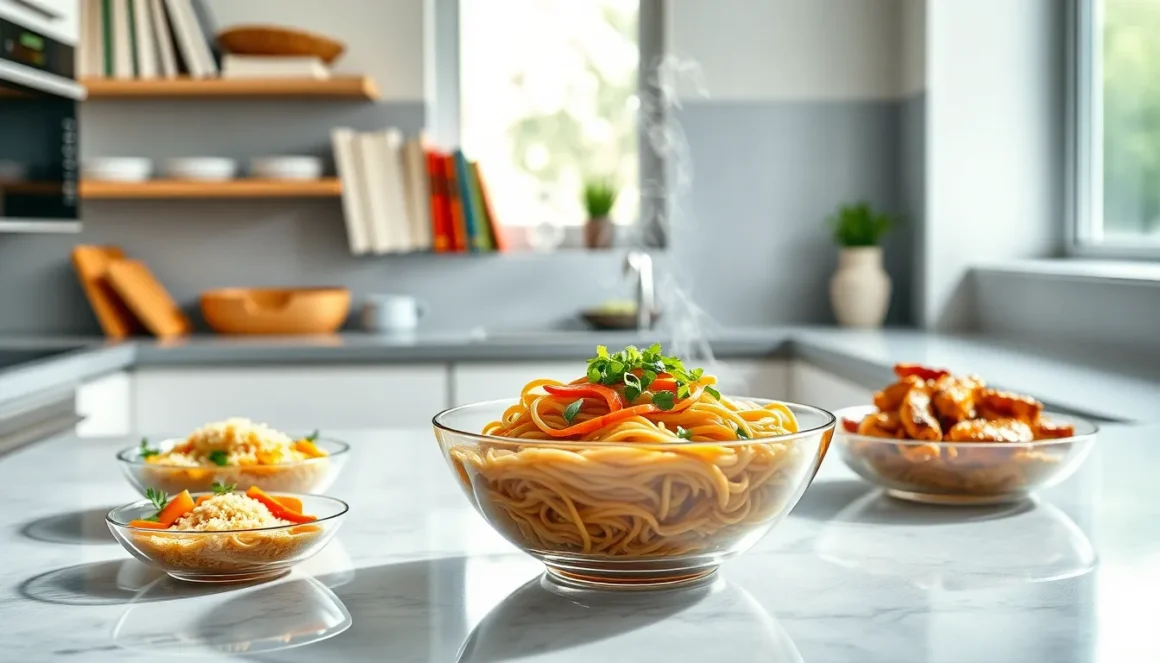
When it comes to comfort food, few things rival the allure of noodles. Whether slurping them up in a savory broth or twirling them on a fork with a rich sauce, they’re a staple in diets around the globe. But have you ever taken a moment to ponder what’s really in those delicious strands? Understanding noodle nutrition facts can unveil a world of benefits and considerations. Let’s jump into the noodle bowl and discover why this seemingly simple food is more complex than it appears, without the unwanted side effects of overcooked spaghetti.
Noodles Nutrition Facts

Noodles come in a delightful array of shapes, sizes, and flavors, with each variety boasting its unique characteristics. From classic wheat noodles to gluten-free alternatives, the types available can be overwhelming.
Wheat Noodles: These are among the most common, found in dishes like spaghetti and ramen. Packed with carbohydrates, they provide quick energy but can also spike blood sugar levels if consumed excessively.
Rice Noodles: Popular in Asian cuisine, they offer a gluten-free option but may lack fiber unless made from brown rice.
Whole Grain Noodles: For a nutritional upgrade, whole grain varieties contain more fiber and nutrients than their refined counterparts.
Egg Noodles: Enriched with eggs, these tend to have higher protein content and a richer flavor. Ideal for comfort food recipes, they still carry significant calories.
Understanding these distinctions can help consumers make more informed choices about what they’re putting on their plates.
Nutritional Components of Noodles
Digging deeper into noodle nutrition reveals critical components that contribute to their dietary value.
- Carbohydrates: Noodles are primarily composed of carbs, giving energy but also presenting a note of caution for those managing their intake. The complexity of carbs varies by noodle type: whole grain noodles typically offer more fiber than regular refined ones.
- Protein: While not a high-protein food, noodles do contain some protein, with egg noodles leading the pack. Pairing them with protein-rich toppings like chicken or tofu enhances their overall nutritional profile.
- Fat: Most noodles are low in fat, though some variations may include added oils or fats in the preparation process accounting for a higher fat content in dishes like creamy pasta.
- Vitamins and Minerals: Depending on the grain used, noodles can also contain essential nutrients such as iron and potassium. Whole grain noodles often provide additional B vitamins, promoting overall health.
Caloric Content and Serving Sizes
Portion control is key when enjoying noodles. A standard serving size of cooked noodles is typically about one cup, which can contain anywhere from 200 to 300 calories depending on the variety.
For instance, one cup of cooked spaghetti has around 220 calories, while the same serving of rice noodles clocks in at about 310 calories. It’s essential to consider the complete dish, as sauces and toppings can substantially increase caloric intake.
Understanding serving sizes contributes to more balanced meals. One simple trick is to measure your noodles before cooking. This practice can prevent oversized servings and keep calorie counts in check.
Health Benefits of Eating Noodles
While some might think of noodles as mere carbs, they can indeed have several health benefits. For starters, whole grain and vegetable-based noodles often provide fiber, which aids digestion and promotes satiety.
Energy Boost: The carbohydrate content is an excellent source of energy for active individuals. Incorporating noodles as part of a pre-workout meal can fuel performance.
Versatility: Noodles can be featured in various dishes, allowing for creativity and diversity in meal preparation. From stir-fries to soups, they can easily absorb flavors and nutrients from other ingredients.
Mood-Boosting Comfort Food: Let’s not forget the psychological perks. Noodles often evoke feelings of comfort, potentially reducing stress levels and promoting overall well-being, just don’t overindulge.
Considerations for Including Noodles in Your Diet
Incorporating noodles into a balanced diet requires mindfulness. Here are some considerations for noodle lovers:
- Choose Whole Grains: Opting for whole grain varieties increases fiber intake, leading to better satiety and digestion.
- Watch Out for Portions: Mindful eating is crucial. Measuring servings can prevent unnecessary calorie overload.
- Pair Wisely: Balancing noodles with proteins and vegetables can create a more nutritious plate. This combination can enhance not only the dish’s health benefits but also its flavor.
- Monitor Sauce Choices: Sauces can impact noodle dishes substantially. Opt for lighter, tomato-based options instead of creamy sauces to control caloric intake.