

In recent years, cosmetic dentistry has shifted from being a niche offering to a mainstream dental service in the United States.
That growth brings benefits , but also raises concerns. For communities like Woodbury, Minnesota, the same dynamics apply at a local level. Understanding what is driving the rise of cosmetic dental procedures, and what risks are associated with them, is important for patients and dental professionals alike.
What’s driving the increase in cosmetic dental procedures
Several factors are fueling the growth of cosmetic dentistry across the U.S.:
- The global market for cosmetic dentistry was estimated at about USD 33.6 billion in 2022, and projected to reach about USD 89.0 billion by 2030. Grand View Research
- In the U.S. specifically, the cosmetic dentistry market was valued at approximately USD 4.25 billion in 2024, and forecasted to grow to around USD 8.88 billion by 2034.
- According to a survey by YouGov, nearly 17% of Americans have had some form of cosmetic dental procedure, with higher prevalence (24%) among those with annual family income of $100,000 or more.
- Demand is bolstered by rising aesthetic expectations: social media, selfies, Zoom-calls, and general cultural emphasis on “smiling well” are cited as influential.
In short: more people want cosmetic improvements to their teeth; technology and marketing make them more available; and value perceptions (appearance, confidence) drive demand.
Why this trend is a concern
While better smiles may seem purely positive, several issues make the growth of cosmetic dentistry worth scrutiny.
Cost and insurance coverage. Cosmetic procedures often are not covered (or only minimally covered) by dental insurance because they are deemed aesthetic rather than medically necessary.That means patients may commit substantial out-of-pocket costs. High costs combined with high expectations can create dissatisfaction or financial strain.
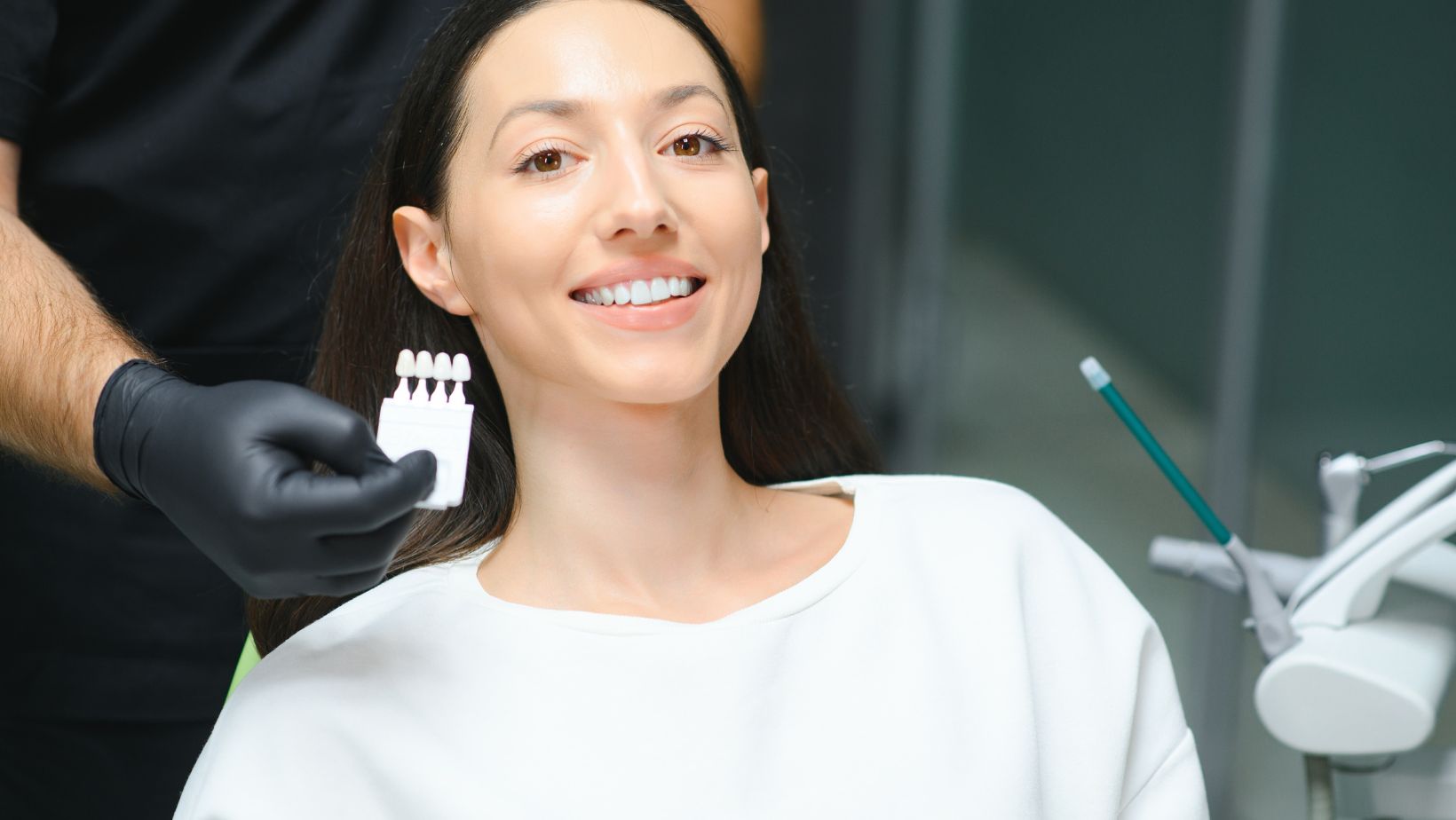
Over-treatment or misalignment of expectations. With more procedures available and marketed aggressively, some patients may opt for more treatment than their underlying oral health requires (or before other foundational dental issues are addressed). For example, there is concern about unlicensed practitioners or non-dentists performing veneers or offering “cheap smile makeovers” via social media-influenced channels.
Longevity and maintenance issues. Some cosmetic treatments (veneers, bonding, crowns) require ongoing maintenance, replacements, or can lead to complications (e.g., if underlying decay or bite issues are not addressed). A 2019 blog noted that veneers had survival rates of ~94.4% at 5 years, ~93.5% at 10 years, ~82.9% at 20 years in one study.
Focus shifting away from function toward appearance. While aesthetics matter, oral health is still fundamentally about function (chewing, speaking, biting), structural integrity (teeth, gums, bone), and long-term health. The concern is that cosmetic dentistry growth may shift priorities too far toward appearance, potentially overlooking the functional and structural dental needs. This concern is described in broader industry commentary.
Technology and accessibility raising ethical/regulatory questions. With advances like 3D printing, AI-driven smile design, and at-home or semi-DIY treatment options, the boundaries of professional oversight and proper training are being tested.
How this plays out in Woodbury, MN
In a city like Woodbury, these national trends manifest locally in a few ways:
- Local practices offering cosmetic dentistry in Woodbury list services like veneers, teeth whitening, Invisalign clear aligners, full-mouth reconstruction and same-day crowns.
- For example, one local practice notes: “Whether it’s social media, selfies or video calls, there’s no hiding cosmetic dental flaws.”
- That suggests a local cultural demand for improved smile aesthetics is present, aligning with national dynamics: increased social-media exposure, rising expectations of appearance, and willingness to invest in cosmetic dental treatment.
Given this, the concerns noted above apply in Woodbury: patients may pursue cosmetic dentistry without fully considering functional or structural needs; costs may be high; and regulatory/quality risks (unlicensed providers, poorly indicated treatments) may exist in any market saturated with demand.
What to watch out for as a patient
Here are practical red flags and advice if you live in Woodbury (or anywhere in the U.S.) and are considering cosmetic dental treatments:
- Make sure the provider is properly trained, licensed, and offers full oral exam and functional assessment, not just a “smile makeover”.
- Ensure underlying dental health issues (gum disease, alignment, decay, bite issues) are addressed before purely aesthetic work.
- Ask for longevity data, maintenance requirements, and clear cost breakdown (including who pays for replacement/repairs).
- Be cautious of “too good to be true” low-cost offers, especially promoted via social media or by non-dentists , regulatory oversight may be weak.
- Understand that appearance improvements don’t always equate to improved oral health; sometimes more invasive procedures may carry risks that outweigh benefits for an individual patient.
Conclusion
Cosmetic dentistry is clearly on the rise in the U.S. , driven by demand for aesthetic improvement, technological advances, and cultural factors. The local market in Woodbury, MN shows similar patterns. While the benefits (confidence, better appearance, potential improvements in function) are real, the growth also brings concern: patients must be well-informed, ensure proper provider credentials, evaluate functional needs, understand costs and maintenance, and be alert to over-promotion. In other words: a great smile can be a good investment , but only if the treatment is appropriate, well-planned, and grounded in both appearance and oral health fundamentals.
If you like, I can pull together recent local pricing data for Woodbury or compare regional practices offering cosmetic dentistry and highlight which ones are more reputable