
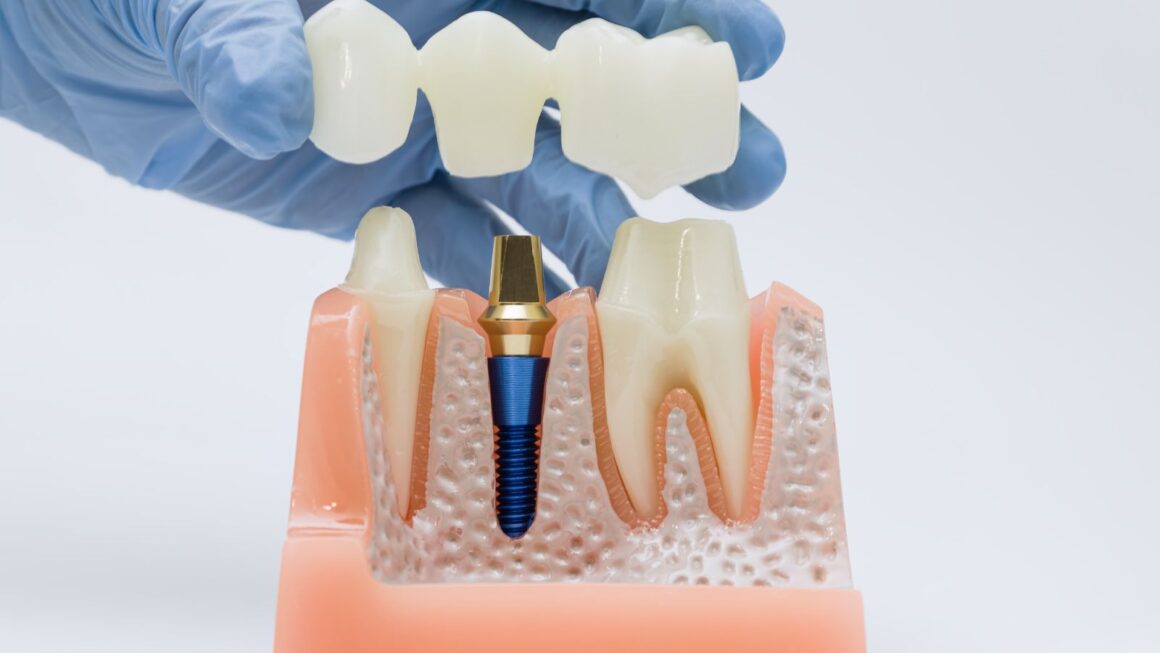
Losing a tooth starts a chain of changes in your mouth, and timing matters if you want to prevent the jawbone from shrinking. For anyone looking to replace missing teeth in Stuart, FL, aiming to place an implant within about 3 to 6 months after extraction in most cases helps balance healing and reduce the risk of significant bone loss. Your dentist may recommend immediate placement in select situations or a longer wait if infection or bone grafting is needed.
This article will explain the typical timelines, how bone resorbs after extraction, what affects your personal timing (like bone health and infection), and the risks of waiting too long or rushing placement. You’ll learn how to work with your dental team to choose the safest, most durable option for your long-term oral health.
Timeline for Dental Implant Placement After Tooth Extraction
You’ll choose a timing strategy based on bone quality, presence of infection, and whether you need grafting. Each option balances speed against risk of bone loss and implant failure.
Immediate Implant Placement
Immediate placement occurs during the same appointment as the extraction or within 24–72 hours.
You qualify when the socket has intact buccal bone, no active infection, and enough primary stability for the implant to be anchored. Clinicians place the implant and often use a bone graft or membrane to fill gaps between the implant and socket walls.
Benefits include fewer surgeries and reduced overall treatment time, and you can minimize early bone resorption at the extraction site. Risks include higher chance of implant mobility or failure if initial stability is insufficient, and esthetic complications if soft tissue contours aren’t ideal. Your dentist will use CBCT imaging and torque measurements to decide suitability.
Early Implant Placement
Early placement usually occurs 4–8 weeks after extraction.
This timing lets soft tissue heal and any minor infection resolve while preserving much of the alveolar bone. You’ll avoid the worst of early resorption but still benefit from a shorter overall timeline than waiting months.
Clinicians often choose early placement when socket walls are compromised but bone grafting isn’t immediately necessary. You may need a small graft or contouring at placement. Expect a single-stage implant with provisional restoration in selected cases; otherwise, the implant integrates over several months before final crown placement.
Delayed Implant Placement
Delayed placement typically begins 3–6 months after extraction, and sometimes later if you require substantial grafting.
This approach suits sockets with infection, severe bone loss, or when you need ridge augmentation or sinus lift procedures. Waiting allows complete bone remodeling and predictable graft integration.
You’ll likely undergo bone grafting at extraction or as a separate surgery, then wait for 3–6 months (or longer with large defects) before implant insertion. This method offers the highest predictability for long-term support but increases total treatment time and interim tooth replacement needs. Your clinician will monitor bone volume with radiographs and schedule implant placement when vertical and horizontal dimensions meet implant stability criteria.
Bone Loss After Tooth Extraction
You will lose some jawbone when a tooth is removed, and timing, biology, and treatment choices determine how quickly and how much bone shrinks. Knowing why bone loss happens and typical resorption rates helps you decide when to get an implant or graft.
Why Bone Loss Occurs
Bone around a tooth—called the alveolar ridge—needs the mechanical stimulation from chewing transmitted through the tooth root to maintain volume. Once the tooth and periodontal ligament are gone, the body remodels that area and removes unused bone. Local inflammation or infection at the extraction site increases resorption, and systemic factors like uncontrolled diabetes, smoking, or osteoporosis accelerate bone breakdown.
Surgical trauma and the size of the extraction socket also matter. Larger sockets and multi-rooted teeth often result in greater initial loss. If you want to preserve structure, immediate implant placement or a socket graft reduces the stimulus deficit and helps maintain ridge contours for future restorations.
Rate of Bone Resorption
Bone width declines fastest in the first months after extraction. Typical studies show roughly a 25–30% reduction in ridge width within the first 3 months in many patients. Vertical height loss tends to be smaller but continues over the first year, reaching about 40–50% of initial remodeling in some cases if left untreated.
Timeframes to consider:
- 0–3 months: most rapid horizontal shrinkage (≈25–30%).
- 3–6 months: continued remodeling; height and contour change.
- 6–12 months: slower but still measurable loss that can affect implant positioning.
If you plan implants, acting within weeks to a few months—using immediate placement or socket grafting—gives the best chance to limit these changes and avoid more complex grafting later.
Factors Influencing Optimal Timing for Implants
Timing depends on the condition of your gums, the amount and quality of your jawbone, and whether any infection remains. These factors determine whether you can have an implant the same day, within weeks, or after several months to protect bone and achieve stable results.
Oral Health and Gum Condition
Your gum tissue must be healthy and able to form a stable, sealed collar around an implant. If you have active periodontal disease, treatment and controlled inflammation are necessary before implant placement; otherwise, the risk of implant failure and continued bone loss rises.
Assessments include probing depths, bleeding on probing, and the presence of recession or thin biotype. A thick, well-keratinized gingival margin supports immediate or early placement better than thin, friable tissue.
If you require soft-tissue grafting to increase keratinized tissue or correct recession, plan for an extra healing phase of several weeks to months. Your surgeon will weigh esthetic demands and the need for predictable soft-tissue contours when choosing immediate versus delayed timing.
Bone Quality and Volume
Sufficient bone height and width determine primary stability, which is crucial for successful implant integration. Low ridge height or a narrow ridge often requires bone grafting or sinus lift procedures; these add months to the timeline because grafted bone needs time to consolidate before reliable implant placement.
Surgeons evaluate bone with CBCT to measure cortical thickness, cancellous density, and available volume. Dense Type I–II bone favors immediate or early placement, while soft Type III–IV bone may prompt delayed placement to allow for grafting or maturation.
If socket preservation (grafting at the time of extraction) is performed, expect 3–6 months of healing before placing an implant in many cases. In contrast, when bone volume already meets stability criteria, you may be eligible for immediate implant placement and provisionalization.
Presence of Infection
Active infection at the extraction site—such as a persistent periapical abscess or severe periodontal infection—requires resolution before implant placement. Placing an implant into an infected socket increases the chance of bacterial colonization, impaired osseointegration, and subsequent bone loss.
Your dentist will treat infection with appropriate antibiotics, debridement, and possibly delayed socket grafting. After infection control, clinicians typically allow a healing interval (often 6–12 weeks or longer depending on severity) to confirm that inflammation has subsided and bone healing is progressing.
When infection involves extensive bone destruction, staged grafting and a longer healing period are common. You should expect follow-up imaging and clinical checks to confirm eradication before proceeding with implant surgery.
Risks and Considerations in Delaying or Accelerating Implant Placement
Delaying or accelerating implant placement affects bone volume, soft-tissue shape, and the complexity of surgery. You need to weigh grafting needs, predictable survival rates, and the natural healing timeline when choosing timing.
Bone Grafting Requirements
If you delay implant placement beyond the early healing window, you may need ridge preservation or grafting to restore lost bone height and width. Socket remodeling after extraction commonly narrows the ridge, especially on the buccal side; this often requires particulate grafts, barrier membranes, or block grafts to recreate adequate bone for implant stability.
Immediate placement can reduce the volume of grafting but rarely eliminates the need for augmentation, because gaps between the implant and socket walls and thin buccal plates still require treatment. Consider graft type, donor site morbidity, additional cost, and healing time when planning. You should discuss staged grafting versus simultaneous implant placement with your clinician.
Implant Success Rates
Success rates vary with timing, site quality, and loading protocol. Immediate implants (placed at extraction or within 24 hours) can achieve survival rates comparable to delayed implants in selected cases, but they require precise case selection and surgical skill.
Delayed implants placed after 3–4 months allow more predictable bone healing and may reduce early failure risk in compromised sites. Factors that reduce success include active infection, thin cortical bone (Type IV), smoking, uncontrolled diabetes, and poor primary stability. Your clinician will assess these risk factors and may recommend delaying placement to improve predictability.
Post-Extraction Healing Process
After extraction, alveolar bone undergoes resorption that is most rapid in the first 8–12 weeks. Soft tissue contracts as well, changing ridge contours that influence esthetics and implant emergence profile.
Early implant placement (about 6–12 weeks) takes advantage of initial soft-tissue closure while the socket still retains some bone volume, balancing esthetic outcomes and reduced grafting. Immediate placement preserves socket architecture but demands ideal anatomy: intact buccal plate, no acute infection, and sufficient primary stability. Your healing speed, medical history, and esthetic expectations determine the optimal timing.